ALBUM NOTESListening guide: Muslimgauze's Deceiver
Deceiver- Album Overview
Muslimgauze's "Deceiver," released in 1996, is a profound exploration of sound that encapsulates the artist's unique fusion of Middle Eastern music and electronic experimentation. The album was released through the label Staalplaat, which was instrumental in promoting avant-garde and experimental music during the 1990s. Bryn Jones, the mastermind behind Muslimgauze, was known for his prolific output and his commitment to addressing political issues, particularly those surrounding the Arab world and the Palestinian struggle, through his music.
"Deceiver" consists of several tracks that showcase Jones' ability to blend traditional Middle Eastern instrumentation with modern electronic production techniques. While the album does not have a conventional single, tracks like "Deceiver" and "The Stoning" exemplify the artist's signature sound—a hypnotic mix of percussion, samples, and synthesized textures. The recording sessions for "Deceiver" reflected Jones' relentless work ethic, as he often produced numerous albums in a single year.
Musically, "Deceiver" is characterized by its rhythmic complexity and atmospheric soundscapes that draw the listener into a world that is both meditative and politically charged. As is typical of Muslimgauze's work, the album invites listeners to reflect on cultural identity, displacement, and conflict, making it a significant contribution to the realm of electronic and world music. The album's cultural significance lies not only in its sound but also in its commentary on social issues, a hallmark of Jones' artistic vision.
Review
"Deceiver" is an album that stands out for its ability to marry the visceral with the cerebral. The sound palette is rich and varied, ranging from deep, resonant basslines to shimmering percussion that evokes the feeling of being transported to a distant land. Muslimgauze's approach to composition is non-linear; instead of traditional song structures, the tracks unfold like sonic tapestries, woven with intricate layers of sound.
Lyrically, Muslimgauze often leaves words behind to focus on the power of sound, and "Deceiver" is no exception. When vocals do appear, they are often distorted or manipulated, serving more as an instrument than as a means of communication. This reinforces the album's themes of dislocation and the complexity of identity. The artistic vision behind "Deceiver" is both captivating and challenging, encouraging listeners to engage with the music on multiple levels.
Highlights
- Innovative fusion of Middle Eastern and electronic sounds.
- Rich, textured production that invites deep listening.
- Political and cultural commentary woven into the music.
Weak points
- Lack of traditional song structures may alienate some listeners.
- Some tracks may feel repetitive without a clear narrative.
- Limited accessibility due to the avant-garde nature of the sound.
Overall evaluation
"Deceiver" is a compelling entry in Muslimgauze's discography, showcasing Bryn Jones' innovative spirit and commitment to exploring complex themes through sound. While it may not cater to mainstream tastes, its artistic merit and cultural significance are undeniable.
Personal rating: 8/10


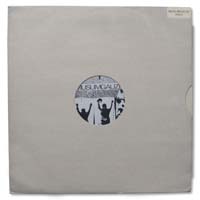 1983Kabul