ALBUM NOTESListening to City Of Djinn by Muslimgauze
City Of Djinn- Album Overview
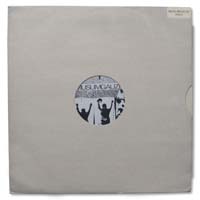
City Of Djinn is an album by the influential British musician Muslimgauze, released in 1996. Known for his unique blend of electronic, ambient, and world music, Muslimgauze, whose real name was Bryn Jones, crafted a sound that incorporated Middle Eastern influences, which became a hallmark of his work. The album was released on the label Staalplaat, which was known for promoting avant-garde and experimental music.
Muslimgauze's work often drew from political themes, particularly regarding the Middle East, and City Of Djinn is no exception. The title itself references mythical creatures from Arabic folklore, suggesting a connection to the cultural narratives that permeate the album. The recording process was largely solitary, with Jones producing music in his home studio, experimenting with various sounds and samples that could evoke the landscapes he sought to represent.
The album features several tracks that explore different facets of his musical vision, characterized by intricate percussion, layered synths, and field recordings. While it did not produce any mainstream singles, its tracks resonate deeply with a niche audience that appreciates the fusion of traditional and modern sounds. Muslimgauze's music remains culturally significant, as it continues to inspire a wide range of artists and listeners who value the intersection of music and political discourse.
City Of Djinn stands as a testament to Muslimgauze's artistic vision, showcasing his ability to convey complex themes through experimental soundscapes that invite listeners to engage with the cultural narratives he sought to illuminate.
Review
City Of Djinn is an immersive auditory experience, layering intricate rhythms with ethereal melodies that transport listeners to another world. Muslimgauze's signature style, characterized by the use of non-traditional instruments and samples, creates a rich tapestry of sound that challenges conventional musical structures. The atmosphere of the album is both haunting and hypnotic, effectively capturing the mystique of its titular djinn.
Lyrically, while the album is primarily instrumental, the titles of the tracks themselves often suggest deeper meanings and stories, reflecting Muslimgauze's thoughtful engagement with his subject matter. This artistic vision is a celebration of cultural diversity and a protest against misrepresentation, allowing listeners to experience a narrative that is as much about sound as it is about the social context behind it.
Despite its avant-garde approach, City Of Djinn manages to maintain a sense of accessibility. The rhythmic elements provide a grounding force that invites listeners to explore the more abstract elements of the album. The production quality is high, with each layer meticulously crafted, showcasing Muslimgauze's skill as a producer and sound engineer.
Highlights
- Intricate and innovative soundscapes that fuse electronic and traditional Middle Eastern music.
- A strong cultural narrative that invites listeners to engage with complex themes.
- Exceptional production quality, showcasing Muslimgauze's talent as a sound engineer.
Weak points
- May be too experimental for listeners seeking more conventional musical structures.
- Limited mainstream appeal, which may restrict its accessibility to broader audiences.
- Lack of vocal elements might leave some listeners desiring a more lyrical experience.
Overall evaluation
City Of Djinn is a remarkable album that exemplifies Muslimgauze's unique artistic vision and ability to blend diverse musical influences. While its experimental nature may not cater to all listeners, it stands as an important work that encourages deeper contemplation of cultural narratives through sound.
Personal rating: 8/10


 1983Kabul