

Album spotlight: Muslimgauze – Mazar-i-sharif
Mazar-i-sharif- Album Overview
"Mazar-i-sharif" is a pivotal album by the British electronic musician Muslimgauze, released in 1996. The album was released under the label Staalplaat, a Dutch record label known for its avant-garde and experimental music releases. Muslimgauze, the brainchild of Bryn Jones, was renowned for his unique fusion of electronic, ambient, and Middle Eastern sounds, often drawing on themes related to Islamic culture and the geopolitical issues affecting the Muslim world. "Mazar-i-sharif," named after the city in Afghanistan, reflects Jones' deep engagement with the socio-political climate of the time, particularly the struggles in Afghanistan during the 1990s. The album is characterized by its intricate layering of samples, percussive beats, and the use of traditional Middle Eastern instruments, which create a hypnotic and immersive soundscape. Jones often used field recordings and snippets of traditional music, blending them seamlessly with his electronic production techniques. The tracks on "Mazar-i-sharif" are devoid of lyrics but convey powerful emotions and narratives through their sonic textures. This album, like many of Muslimgauze's works, did not have traditional singles but has been influential in the ambient and electronic music scenes, inspiring numerous artists who seek to merge cultural sounds with modern electronic production. The album's cultural significance lies in its ability to transport listeners into the heart of its themes, challenging them to engage with the complexities of identity, conflict, and the rich tapestry of Islamic culture.
Review
"Mazar-i-sharif" is a profound auditory experience that stands as a testament to Muslimgauze's artistic vision. The album's sound is crafted from a blend of dark, brooding ambient passages and rhythmic, pulsating beats that captivate the listener. The absence of lyrics does not detract from its narrative; instead, it allows the music to speak volumes, evoking a sense of place and emotion that transcends language barriers. Each track is meticulously constructed, showcasing Jones' prowess as both a sampler and a producer. The use of traditional Middle Eastern motifs intertwined with electronic elements creates a rich tapestry of sound that feels both ancient and contemporary. The album's atmosphere is at once serene and unsettling, reflecting the complexities of its namesake city and the broader context of conflict in the region. Muslimgauze's work often invites listeners to reflect on political and cultural themes, and "Mazar-i-sharif" is no exception. The album serves as a poignant reminder of the struggles faced by those in conflict zones, while simultaneously celebrating the beauty of the cultures involved. This duality is what makes Muslimgauze's music resonate on a deeper level, encouraging a thoughtful engagement with the issues at hand.
Highlights
- Intricate layering of sounds creates a unique auditory experience.
- Powerful emotional resonance despite the absence of lyrics.
- Successful fusion of traditional Middle Eastern music with modern electronic production.
Weak points
- The album may be challenging for listeners unaccustomed to experimental music.
- Some tracks may feel repetitive due to the minimalist approach.
- Limited accessibility in mainstream music markets may hinder broader recognition.
Overall evaluation
"Mazar-i-sharif" is a profound exploration of sound that exemplifies Muslimgauze's innovative spirit and cultural engagement. While it may not cater to all musical tastes, its depth and significance make it a remarkable entry in the realm of electronic and ambient music.
Personal rating: 8/10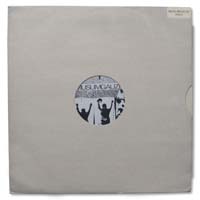 1983Kabul