ALBUM NOTESThe evolution of Muslimgauze in Damascus
Damascus- Album Overview
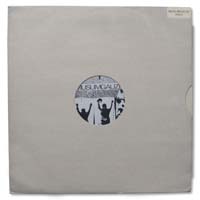
Muslimgauze, the project of the late British musician Bryn Jones, is an innovative fusion of electronic music and Middle Eastern themes. The album "Damascus," released in 1996, serves as a profound exploration of the socio-political landscape of the Arab world, particularly the city of Damascus, Syria. Released under the label Staalplaat, the album is a testament to Muslimgauze's distinctive sound, characterized by a combination of electronic beats, traditional Middle Eastern instrumentation, and field recordings.
"Damascus" contains several tracks that exemplify Jones's innovative approach, including "The Hour of the Dawn" and "Damascus," both of which showcase his ability to blend ambient soundscapes with percussive elements. The album is part of a larger discography that saw Jones release over 30 albums during his career, often focusing on themes of conflict and cultural identity.
The production of "Damascus" reflects Jones's meticulous attention to detail, employing a variety of sampling techniques and layering to create rich auditory textures. While the album does not feature traditional lyrics, the samples and sounds used evoke a strong sense of place and cultural resonance. The significance of "Damascus" lies not only in its musicality but also in its commentary on the political turmoil of the region during the 1990s, making it a relevant piece even today.
Jones's collaborations with various artists and his participation in the underground music scene further contributed to the album's depth. "Damascus" stands as a significant work in Muslimgauze's discography and highlights the evolution of Jones's sound, showcasing his ability to push boundaries while remaining culturally aware and politically engaged.
Review
"Damascus" is a captivating auditory experience that encapsulates the essence of Muslimgauze's artistic vision. The album's sound is a complex tapestry of layered samples, electronic rhythms, and organic sounds that transport the listener to the heart of Damascus. Each track flows seamlessly into the next, creating a continuous journey through a soundscape that feels both ancient and modern.
The absence of traditional lyrics is notable; however, the music conveys a powerful narrative about the struggles and beauty of Middle Eastern culture. The use of traditional instruments alongside electronic beats creates a unique dichotomy that reflects the tension and harmony of the region. Jones's ability to weave these elements together demonstrates his profound understanding of cultural nuances and sonic experimentation.
Musically, "Damascus" does not shy away from challenging the listener. Its experimental nature may not cater to mainstream tastes, but for those willing to engage with its depth, the album reveals layers of meaning and emotion. The tracks resonate with a sense of urgency and reflection, inviting listeners to ponder the complexities of identity and conflict in the Middle East.
Highlights
- Innovative blend of electronic and traditional Middle Eastern sounds.
- Rich, immersive soundscapes that evoke a strong sense of place.
- Culturally aware commentary on the socio-political landscape of the region.
Weak points
- Experimental nature may not appeal to all listeners.
- Lack of traditional song structures could be challenging for mainstream audiences.
- Some tracks may feel repetitive over time, lacking dynamic variation.
Overall evaluation
"Damascus" is a profound and thought-provoking addition to Muslimgauze's legacy, showcasing Bryn Jones's innovative approach to music and cultural dialogue. While its experimental style may limit its mainstream appeal, the album's depth and significance make it a rewarding listen for those willing to explore its complexities.
Personal rating: 8/10


 1983Kabul