

Listening to Hafaz Al Assad by Muslimgauze
Hafaz Al Assad- Album Overview
Released in 1996, "Hafaz Al Assad" is an intriguing album by the British electronic artist Muslimgauze, whose real name was Bryn Jones. The album was released through the label Staalplaat, known for its avant-garde and experimental music catalog. Muslimgauze's work often focuses on the political and social issues of the Middle East, and "Hafaz Al Assad" is no exception, named after the former president of Syria, Hafez al-Assad. This album is a reflection of Jones's deep engagement with the complexities of Middle Eastern politics, particularly during a time of significant conflict and turmoil. The production of "Hafaz Al Assad" is characterized by its intricate layering of sounds, blending traditional Middle Eastern instrumentation with ambient and electronic textures. Jones was known for his prolific output and unique approach to music, often recording in a style that featured heavy sampling and a rhythmic complexity that echoed the tension of the subjects he addressed. The album contains tracks that are rich in sonic experimentation, making it a notable entry in Muslimgauze's discography. While Muslimgauze released many albums, "Hafaz Al Assad" stands out for its specific thematic focus and the way it encapsulates the artist's distinctive voice. The album does not feature traditional vocals; instead, it relies on samples and textured soundscapes to convey its message, inviting the listener to interpret the music against the backdrop of the political landscape of the time. This approach creates an immersive experience, leading to a deeper understanding of the cultural and political nuances that Jones sought to express. The album has since become a significant work within the realm of experimental music, resonating with listeners who appreciate its historical context as well as its sonic innovations.
Review
"Hafaz Al Assad" is a compelling exploration of sound that defies conventional genre boundaries. Muslimgauze's signature blend of electronic beats and Middle Eastern sounds creates an atmosphere that is both haunting and vibrant. The absence of lyrics allows the music to speak for itself, utilizing samples that evoke a sense of place and history. Each track unfolds like a narrative, with layers of sound that invite listeners to delve deeper into its complexities. The album's tracks are meticulously crafted, showcasing Jones's talent for creating immersive soundscapes. The rhythmic elements often mirror the cultural tensions present in the region, while the ambient textures provide a sense of space and reflection. Muslimgauze's artistic vision is clear: to bridge the gap between music and political commentary, allowing listeners to engage intellectually and emotionally with the themes he addresses. However, the abstract nature of the album may make it challenging for some listeners, as it requires a level of engagement and openness to fully appreciate its nuances. Yet, for those willing to invest the time, "Hafaz Al Assad" offers a rich auditory experience that is both thought-provoking and evocative.
Highlights
- Intricate sound design that blends traditional and electronic elements seamlessly.
- Strong thematic focus on political and cultural issues, enhancing the listening experience.
- Immersive tracks that invite repeated listens and deeper exploration.
Weak points
- Abstract nature may limit accessibility for casual listeners.
- Lack of conventional song structures could be challenging for some.
- Some tracks may feel repetitive without clear resolution or development.
Overall evaluation
In "Hafaz Al Assad," Muslimgauze offers a profound auditory experience that is as politically charged as it is sonically innovative. This album is a testament to Bryn Jones's unique artistic vision and ability to engage with complex themes through music. While it may not cater to all tastes, it remains a significant contribution to the genre of experimental music.
Personal rating: 8/10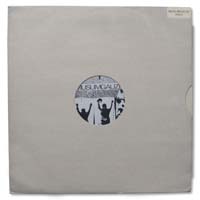 1983Kabul