

Muslimgauze returns with Ingaza
Ingaza- Album Overview
Released posthumously in 2011, "Ingaza" is one of the many intriguing entries in the discography of Muslimgauze, the alias of the late British electronic musician Bryn Jones. Known for his unique blend of ambient, dub, and Middle Eastern musical influences, Muslimgauze's work often explored themes of conflict and identity, particularly in relation to the Middle East. "Ingaza" was released by the label Staalplaat, which has been instrumental in preserving and promoting Jones's extensive catalog.
The album consists of several tracks that exemplify Muslimgauze’s signature style, characterized by intricate percussion, ethereal soundscapes, and samples that evoke a sense of political urgency and cultural introspection. Notable tracks include "Gaza," which brings listeners into the heart of its complex themes, and "Al-Aqsa," named after the iconic mosque in Jerusalem, further illustrating the artist's ongoing engagement with Middle Eastern issues. The production on "Ingaza" was largely carried out by Jones himself, who was known for his meticulous attention to detail and his innovative use of studio technology.
Muslimgauze's work often stood apart for its ability to marry political commentary with immersive sound, and "Ingaza" is no exception. The album serves not only as a musical experience but also as a cultural artifact, reflecting the artist's deep empathy for the struggles of people in conflict zones. The album's haunting soundscapes and rhythmic complexities invite listeners to engage deeply with the music, making it a significant addition to both electronic music and the broader discourse surrounding Middle Eastern politics.
Review
"Ingaza" is a profound journey through sound that captures the essence of Muslimgauze's artistic vision. The album showcases an intricate layering of beats and samples, creating an almost hypnotic listening experience. Jones's ability to interweave traditional Middle Eastern sounds with contemporary electronic elements is both refreshing and thought-provoking. Each track resonates with an urgency that reflects the socio-political realities of the regions he focused on, making the music not just an auditory experience but also an emotional one.
The absence of lyrics in many tracks allows for a personal interpretation, encouraging listeners to reflect on the themes without the constraints of verbal expression. The sonic textures are rich and varied, with each piece inviting the listener to explore different emotional landscapes. However, the complexity of the arrangements may be overwhelming for newcomers to Muslimgauze's work, as the sheer volume of sound can occasionally obscure individual elements.
Highlights
- Intricate soundscapes that blend ambient and traditional Middle Eastern influences.
- Strong political and cultural themes that invite deep reflection.
- Innovative production techniques that showcase Muslimgauze's creativity and craftsmanship.
Weak points
- The complexity of arrangements may deter casual listeners.
- Lack of lyrical content might limit accessibility for some audiences.
- As a posthumous release, it may not fully represent the artist's evolving vision.
Overall evaluation
"Ingaza" stands as a compelling testament to Muslimgauze's unique artistry and enduring relevance in contemporary music. It encapsulates the essence of his work while providing listeners with a platform for reflection on significant cultural issues. The album is a must-listen for fans of experimental music and those interested in the intersection of art and politics.
Personal rating: 8.5/10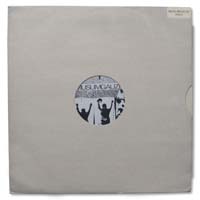 1983Kabul