ALBUM NOTESDiving deep into Hummus by Muslimgauze
Hummus- Album Overview
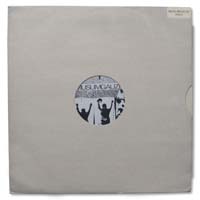
Muslimgauze, the musical project of the late Bryn Jones, released the album "Hummus" in 1996, showcasing his unique blend of electronic music, Middle Eastern rhythms, and politically charged soundscapes. The album was produced under the label Staalplaat, a label known for promoting experimental music. "Hummus" reflects Jones's fascination with the Palestinian struggle and aims to convey the complex cultural and political realities of the Middle East through sound.
This album was recorded in Jones's home studio, where he meticulously crafted his sonic palette, utilizing a variety of instruments and samples to create immersive auditory experiences. Unlike traditional albums, "Hummus" consists of tracks that are often more than just songs; they are layered compositions that invite listeners to engage deeply with the material. The tracks typically feature a mix of electronic beats, sampled sounds from the region, and traditional Middle Eastern musical elements, establishing a fusion that is both innovative and thought-provoking.
Although "Hummus" did not have a traditional single release, the entire album can be seen as a cohesive statement, with tracks like "Bashir" and "Intifada" exemplifying Jones's ability to blend poignant political commentary with intricate musical arrangements. Muslimgauze's work has often been categorized under genres such as ambient, dub, and electronic, yet "Hummus" transcends simple classification, making it a significant contribution to the genre of experimental music.
Culturally, the album is notable for its unapologetic representation of Middle Eastern themes at a time when such expressions were often marginalized in Western music. Muslimgauze's work has inspired a generation of musicians and listeners to explore the intersection of sound and social consciousness.
Review
"Hummus" is a sonic tapestry that reflects Bryn Jones's unwavering commitment to his artistic vision. The album’s soundscape is dense, layered, and often hypnotic, with each track blending seamlessly into the next. The use of traditional Middle Eastern instrumentation, juxtaposed with electronic beats and samples, creates a sense of urgency and relevance that resonates throughout the album.
Lyrically, while the album may not focus on conventional song structures, the thematic essence is palpable. The tracks evoke emotions related to conflict, resistance, and identity, serving as an auditory representation of the struggles faced by the Palestinian people. Muslimgauze’s approach to production is both avant-garde and respectful, allowing the music to speak for itself without overtly politicizing it.
Artistically, Jones successfully navigates the fine line between music and message, crafting an album that is as much about sound as it is about the socio-political landscape it represents. "Hummus" stands as a testament to Muslimgauze’s genius, proving that music can be a powerful vehicle for cultural expression and political awareness.
Highlights
- Innovative fusion of electronic and traditional Middle Eastern sounds.
- Deeply political and culturally relevant themes that resonate with listeners.
- Complex, immersive soundscapes that invite repeated listening.
Weak points
- Lack of traditional song structure may alienate some listeners.
- Some tracks may feel repetitive or lengthy to those unfamiliar with the genre.
- Limited accessibility due to niche appeal and experimental nature.
Overall evaluation
"Hummus" is a groundbreaking album that not only showcases Muslimgauze's unique sound but also serves as a poignant commentary on the socio-political issues of its time. It remains a vital piece of work in the landscape of experimental music.
Personal rating: 8/10


 1983Kabul