

Is Sulaymaniyah Muslimgauze's best work yet?
Sulaymaniyah- Album Overview
The album "Sulaymaniyah" was released in 1996 by Muslimgauze, the project of the late British electronic musician Bryn Jones. Known for his unique fusion of Middle Eastern sounds and electronic music, Muslimgauze's work often reflects his political and social views, particularly regarding the Palestinian struggle. "Sulaymaniyah" is no exception, named after the city in Iraq, and it embodies themes of resistance and cultural identity. The album was released under the label Staalplaat, a platform known for promoting avant-garde and experimental music.
Recording for "Sulaymaniyah" took place during a prolific period for Jones, who was known for his relentless output, often releasing multiple albums in a single year. This work features a mix of his signature use of samples from traditional Middle Eastern music, intricate drum patterns, and ambient soundscapes. The album consists of several tracks, each weaving a complex tapestry of sound that invites listeners to engage deeply with the themes presented. Notable tracks include "Zarqawi" and "Iraqi", which highlight his unique ability to blend cultural sounds with modern electronic aesthetics.
Muslimgauze’s work is particularly significant in how it challenges Western perceptions of the Middle East, using music as a vehicle for cultural expression and political commentary. "Sulaymaniyah" not only showcases his distinctive style but also serves as a historical document reflecting the cultural tensions of the time. The album has garnered attention for its artistic vision and is often discussed in the context of the broader genre of electronic music that seeks to incorporate non-Western influences.
Review
"Sulaymaniyah" stands out in Muslimgauze's discography for its rich soundscapes and thoughtful compositions. The album is characterized by its seamless blending of electronic beats with samples of traditional Middle Eastern instrumentation. This fusion creates an immersive listening experience that transports the audience to the heart of the region's cultural narratives. The tracks are layered with intricate rhythms that pulse with energy, while ambient elements provide a reflective backdrop, allowing listeners to ponder the deeper meanings behind the music.
Musically, the album is a testament to Jones's skill as a producer and his commitment to authenticity. Unlike some of his other works, "Sulaymaniyah" feels particularly cohesive, with each track contributing to a larger conversation about identity and resistance. Though the album does not feature traditional lyrics, its sonic textures speak volumes, evoking emotions and thoughts that resonate with the listener. The overall artistic vision is both challenging and rewarding, inviting repeated listens to uncover new details and insights.
Highlights
- Intricate blending of electronic and traditional Middle Eastern sounds.
- Cohesive thematic exploration of cultural identity and political resistance.
- Immersive soundscapes that invite deep listening and reflection.
Weak points
- Some tracks may feel repetitive to casual listeners.
- Lack of traditional song structures may alienate mainstream audiences.
- Limited accessibility for those unfamiliar with Muslimgauze’s style.
Overall evaluation
"Sulaymaniyah" stands as a significant work within Muslimgauze's catalogue, showcasing his unique ability to blend cultural sounds with electronic music in a profound way. It is a compelling listen for those interested in the intersection of music and political expression.
Personal rating: 8/10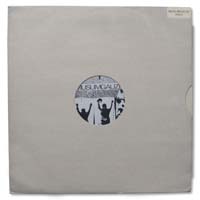 1983Kabul