

Listening guide: Muslimgauze's Muslimgauze
Muslimgauze- Album Overview
The self-titled album "Muslimgauze" was released in 1989 by the enigmatic British artist Muslimgauze, known for his unique fusion of electronic music and Middle Eastern influences. This album marks an essential entry in the artist's extensive discography, showcasing his innovative approach to sound and his political engagement through music. Muslimgauze, the alias of Bryn Jones, was prolific throughout his career, producing over 30 albums before his untimely death in 1999. His work often addressed themes related to the Palestinian struggle, and "Muslimgauze" is no exception.
The album features a range of tracks that blend ambient sounds with intricate percussion, vocal samples, and a variety of instruments that evoke the cultural landscapes of the Middle East. Muslimgauze recorded much of his music at home, utilizing a variety of analog synthesizers and samplers, giving his recordings an organic yet futuristic feel. The album was released on the label Staalplaat, which was instrumental in promoting experimental music at the time.
Notably, Muslimgauze's music often exists in a socio-political context, with the artist frequently expressing his views on conflict and cultural identity through his work. The tracks on this album, including "Intifada" and "Zionist," reflect his deep empathy for the struggles faced by those in conflict zones, particularly in Palestine. The album's impact is seen in its ability to transcend traditional genre classifications, blending elements of ambient, industrial, and ethnic music, which has inspired countless artists across various musical landscapes.
Review
Muslimgauze's "Muslimgauze" stands out for its distinctive soundscapes that envelop the listener in a world that is both haunting and evocative. The production is characterized by its layering of rhythmic percussion and atmospheric synths, which create a hypnotic effect. The absence of traditional song structures allows for an immersive experience, inviting listeners to lose themselves in the textures and rhythms. While the tracks may lack conventional lyrics, the samples used throughout the album tell powerful stories that resonate with those familiar with the socio-political issues at hand.
Muslimgauze's artistic vision is clear: he seeks to challenge perceptions of Middle Eastern culture through a contemporary lens, merging traditional sounds with modern electronic elements. This bold approach makes the album not only a work of art but also a statement piece that reflects the complexities of the world he observed. The emotional weight behind the music stems from Jones' sincere dedication to his subjects, making it a profound listening experience.
Highlights
- Innovative fusion of electronic and Middle Eastern sounds.
- Powerful socio-political themes conveyed through music.
- Immersive production that captivates the listener.
Weak points
- Lack of conventional song structures may not appeal to all listeners.
- Some tracks may feel repetitive due to their ambient nature.
- Limited accessibility for those unfamiliar with the cultural context.
Overall evaluation
Muslimgauze's self-titled album is a landmark work that showcases the artist's groundbreaking approach to music and his commitment to addressing important social issues. Its rich soundscapes and political relevance make it a compelling listen for anyone interested in the intersection of music and culture.
Personal rating: 8/10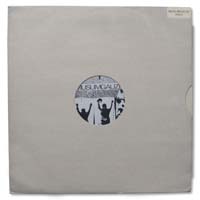 1983Kabul