

Diving deep into Ein Heldenleben Op. 40 by Richard Strauss
Ein Heldenleben Op. 40- Album Overview
Richard Strauss's "Ein Heldenleben" (A Hero's Life), Op. 40, was composed in 1898 and has since become one of the most celebrated tone poems in the orchestral repertoire. This work, characterized by its grandiose scale and complex orchestration, reflects Strauss's innovative approach to orchestral music, blending rich harmonies and vivid thematic development. The piece is structured in several sections that portray the life of a hero, with musical motifs representing various characters, including the hero's beloved and critics.
Initially, "Ein Heldenleben" was recorded and released by various labels, with significant recordings emerging in the 20th century. Notably, the Deutsche Grammophon label has produced some of the most acclaimed interpretations featuring renowned conductors and orchestras. The orchestration includes a large ensemble, with strings, woodwinds, brass, and percussion contributing to its lush soundscape. The piece is divided into distinct sections, including the hero's declaration, his relationship with his beloved, and a confrontation with his critics, each depicted with striking musical themes.
Musically, "Ein Heldenleben" signifies a pivotal moment in late Romantic music, showcasing Strauss's ability to convey complex emotions and narratives through instrumental means. The tone poem has not only had a substantial influence on subsequent composers but has also played a significant role in shaping the concert repertoire of symphony orchestras worldwide. Its cultural significance is underscored by its frequent performance in concert halls and its inclusion in various film soundtracks, allowing it to reach a wider audience beyond classical music aficionados.
Review
The sound of "Ein Heldenleben" is a sumptuous tapestry of orchestral color and dynamic contrasts. Strauss’s masterful use of orchestration allows each instrument to shine, creating a vivid and immersive listening experience. The thematic development in the work is both compelling and intricate, with motifs that evolve and intertwine throughout the piece, capturing the essence of the hero’s journey. Each section unfolds with a narrative clarity that invites listeners to engage with the music on a deeper level.
Artistically, Strauss presents his vision of heroism not as a singular notion, but rather as a multifaceted experience shaped by love, conflict, and resolution. The lyrical passages, especially those representing the hero’s beloved, are tender and poignant, contrasting sharply with the more aggressive themes that depict his critics. This duality enriches the overall emotional landscape of the piece, making it a profound and relatable exploration of the human condition.
Highlights
- Exquisite orchestration that showcases a wide range of colors and textures.
- Compelling thematic development that tells a vivid narrative.
- Emotional depth and complexity, reflecting the multifaceted nature of heroism.
Weak points
- Some listeners may find the length of the piece daunting.
- The complexity of the orchestration may overwhelm casual listeners.
- Occasional passages may feel overly indulgent or self-referential.
Overall evaluation
"Ein Heldenleben" remains a monumental work in the orchestral canon, illustrating Strauss's genius in blending narrative with musical form. Its rich textures and emotional depth resonate profoundly, making it a staple of classical music performances. While it may pose challenges for some, its rewards are manifold for those willing to immerse themselves in its grandeur.
Personal rating: 9/10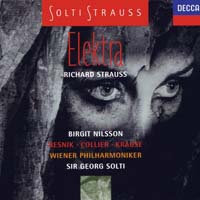 1986Elektra
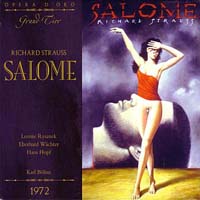 1978Salome
Comments
No comments yet.