ALBUM NOTESThe evolution of Richard Strauss in Also Sprach Zarathustra / Don Juan / Muttertändele
Also Sprach Zarathustra / Don Juan / Muttertändele- Album Overview
Richard Strauss's "Also Sprach Zarathustra / Don Juan / Muttertändele" is a compelling collection that showcases the composer’s evolution and mastery of orchestral music. Released in 1974 by Deutsche Grammophon, this album features three of Strauss's most significant works: "Also Sprach Zarathustra," "Don Juan," and "Muttertändele." The recording was conducted by the renowned maestro Herbert von Karajan, who was instrumental in bringing Strauss's orchestral works to a broader audience.
"Also Sprach Zarathustra," composed in 1896, is perhaps Strauss's most famous tone poem, inspired by Friedrich Nietzsche’s philosophical text. Its grand opening fanfare has become emblematic of the piece and has appeared in various cultural contexts, including film, particularly in Stanley Kubrick's "2001: A Space Odyssey." "Don Juan," composed in 1888, captures the spirit of the legendary seducer, blending lyrical melodies with vibrant orchestration. "Muttertändele," or "The Mother's Tales," is a lesser-known work that highlights Strauss's ability to evoke deep emotions through his music.
This album not only reflects Strauss's technical prowess but also marks a pivotal point in the transition from late Romanticism to early modernism in classical music. The production quality of the recording is exquisite, with a vibrant sound that brings out the rich textures of the Berlin Philharmonic Orchestra. It serves as a testament to Strauss's enduring legacy and the timelessness of his compositions.
Review
The album opens with "Also Sprach Zarathustra," a piece that immediately captivates with its powerful orchestral introduction. The grandeur of the sound, expertly balanced by Karajan, sets a profound tone for the entire listening experience. Each movement unfolds with a sense of purpose, showcasing Strauss's intricate orchestration and emotional depth. "Don Juan" follows, pulsating with youthful exuberance and dramatic intensity. The interplay between the strings and brass is particularly noteworthy, as Strauss paints a vivid portrait of his titular character's escapades.
"Muttertändele" brings a different flavor to the album, its more intimate character revealing Strauss's softer, more lyrical side. The delicate melodies and harmonies evoke a sense of nostalgia, contrasting with the boldness of the previous works. Overall, the album presents a cohesive journey through Strauss's artistic vision, showcasing his evolution as a composer who could traverse both grandiose and intimate landscapes with equal skill.
Highlights
- Stunning orchestral performance by the Berlin Philharmonic under Karajan's direction.
- Rich sound quality that enhances the emotional depth of Strauss's compositions.
- A well-curated selection of works that highlight Strauss's evolution as a composer.
Weak points
- Some listeners may find "Muttertändele" less engaging compared to the more popular pieces.
- The album's historical context may not be sufficiently detailed for casual listeners.
- Limited liner notes that could provide deeper insights into the compositions and their backgrounds.
Overall evaluation
"Also Sprach Zarathustra / Don Juan / Muttertändele" stands as a significant recording in the classical music canon, showcasing Richard Strauss's remarkable range and the exquisite artistry of the Berlin Philharmonic. The album is a must-have for both new listeners and seasoned Strauss enthusiasts alike.
Personal rating: 9/10

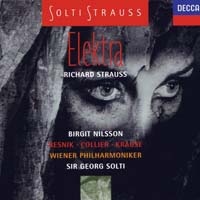 1986Elektra
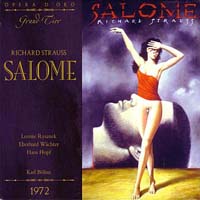 1978Salome