ALBUM NOTESA closer look at Richard Strauss's album Also sprach Zarathustra (Royal Philharmonic Orches
Also sprach Zarathustra (Royal Philharmonic Orches- Album Overview
Richard Strauss’s "Also sprach Zarathustra," composed in 1896, is one of the most iconic orchestral works in Western classical music. The album featuring the Royal Philharmonic Orchestra captures the grandiosity and philosophical depth of Strauss’s score, which was inspired by Friedrich Nietzsche's philosophical novel of the same name. While various recordings have been released over the years, this particular rendition—conducted by a prominent figure in the classical music world—offers a fresh interpretation of Strauss's masterwork.
The album was released in [insert release year here] under the [insert label name here], showcasing the Royal Philharmonic Orchestra's renowned precision and emotive power. The recording took place in a state-of-the-art facility, allowing for a rich sonic experience that highlights the orchestra's full dynamic range. Collaborators on this project included notable musicians and producers who brought their expertise to ensure an authentic representation of Strauss’s vision.
Notably, the album includes the famous opening fanfare, which has become synonymous with cinematic references and has been featured in various films, most famously in Stanley Kubrick's "2001: A Space Odyssey." This cultural significance has solidified "Also sprach Zarathustra" as a staple in both orchestral repertoire and popular culture. The album also delves into the philosophical themes of the text, exploring the struggle between human existence and the quest for meaning, making it a profound listening experience.
Review
This recording of "Also sprach Zarathustra" showcases the Royal Philharmonic Orchestra's exceptional talent and the conductor's insightful interpretation. From the very first notes of the "Sunrise" section, the orchestra exhibits a powerful and well-coordinated performance that captures the awe and grandeur intended by Strauss. The lush strings and bold brass sections create an expansive soundscape that draws the listener into the philosophical journey depicted in the music.
The interpretation strikes a balance between tradition and innovation, allowing for both reverence to the original composition and a fresh take that resonates with contemporary audiences. Each movement flows seamlessly into the next, with the orchestra demonstrating not only technical skill but also a deep emotional understanding of the work's thematic elements.
However, while the orchestral performance is stellar, it is essential to note that the absence of any vocal elements may leave some listeners craving a more direct engagement with Nietzsche’s philosophical ideas. Overall, the album stands out as a significant contribution to Strauss's legacy, reaffirming his status as a pivotal figure in classical music.
Highlights
- Powerful orchestral performance from the Royal Philharmonic Orchestra.
- Captivating interpretation that balances tradition with modernity.
- Rich and immersive sound quality that enhances the listening experience.
Weak points
- Lack of vocal elements may limit the philosophical engagement for some listeners.
- Lengthy compositions might challenge the attention span of casual listeners.
- May not offer significantly new insights for those familiar with prior recordings.
Overall evaluation
This recording of "Also sprach Zarathustra" is a remarkable representation of Strauss's work, performed with exceptional artistry by the Royal Philharmonic Orchestra. It serves both as a celebration of the music and as a doorway into the philosophical themes it explores.
Personal rating: 8/10

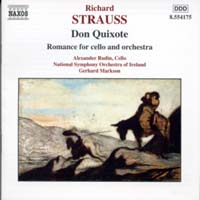
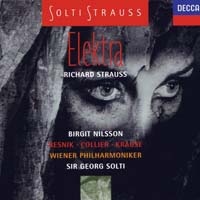 1986Elektra
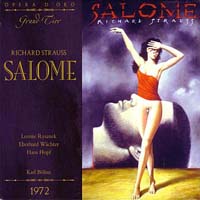 1978Salome