ALBUM NOTESDiving deep into Die Frau Ohne Schatten by Richard Strauss
Die Frau Ohne Schatten- Album Overview
Die Frau Ohne Schatten (The Woman Without a Shadow) is an opera composed by Richard Strauss, with a libretto by Hugo von Hofmannsthal, premiered at the Vienna State Opera on October 17, 1919. The opera is notable for its complex themes of love, sacrifice, and the interplay between the material and spiritual realms. Its lush orchestration and rich vocal lines showcase Strauss's remarkable ability to blend dramatic intensity with lyrical beauty.
The original production was conducted by Franz Lehár and featured prominent singers of the time, including the legendary soprano Maria Jeritza. The opera was recorded multiple times, with notable recordings emerging in 1960 under the Deutsche Grammophon label and a later acclaimed version in 1992 featuring the Berlin Philharmonic conducted by Daniel Barenboim. The album encapsulates a significant cultural moment post-World War I, reflecting themes of existential despair and hope, resonating deeply with audiences of that era.
The recording features an array of talented collaborators, including the Vienna State Opera Orchestra and a stellar cast that enhances the opera's emotional depth. The score is filled with melodic motifs that symbolize the psychological struggles of the characters, making it a staple in the operatic repertoire. As a reflection of Strauss’s artistic vision, Die Frau Ohne Schatten remains a profound commentary on the human condition, leaving a lasting impact on both audiences and musicians alike.
Review
Die Frau Ohne Schatten is a magnificent exploration of the human psyche, where Strauss's musical language captures the essence of the narrative's dualities. The orchestration is rich and vibrant, employing a full symphonic palette that elevates the emotional stakes of the story. Strauss's use of motifs to represent characters and their inner conflicts is masterfully executed, creating a dense tapestry of sound that invites listeners to delve into the opera's themes.
The vocal writing is equally compelling, demanding both technical prowess and emotional depth from the performers. The soprano roles, in particular, are formidable, with soaring lines that convey both vulnerability and strength. The interplay between the characters is beautifully highlighted through the music, allowing the audience to experience their struggles viscerally.
However, the opera's complexity can be daunting, with its lengthy runtime and intricate narrative structure potentially alienating casual listeners. Yet, for those who embrace its challenges, Die Frau Ohne Schatten offers a profoundly rewarding experience that showcases Strauss at the height of his powers.
Highlights
- Rich orchestration and lush melodies that enhance emotional depth.
- Complex character development through musical motifs.
- Powerful vocal performances that demand technical and emotional mastery.
Weak points
- Lengthy runtime may be challenging for casual listeners.
- Complex narrative structure can be difficult to follow without background knowledge.
- Requires a high level of engagement to fully appreciate its artistic nuances.
Overall evaluation
Die Frau Ohne Schatten is a significant operatic work that exemplifies Richard Strauss's artistic genius and deep understanding of human emotion. While it may present challenges to some, its rich musical landscape and profound themes make it an essential experience for opera lovers.
Personal rating: 9/10

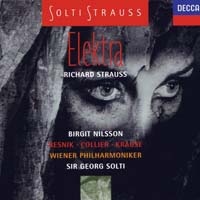 1986Elektra
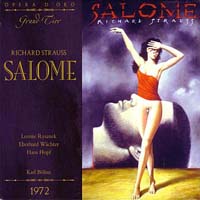 1978Salome