ALBUM NOTESFirst impressions of Richard Strauss – Daphne
Daphne- Album Overview
Richard Strauss's "Daphne," an opera in one act, premiered in 1938 at the Salzburg Festival. This work showcases Strauss's mastery of orchestration and lyrical composition, encapsulating a richly textured sound that reflects his mature style. The opera is based on the mythological tale of Daphne and Apollo, exploring themes of love, transformation, and the tension between the divine and the mortal. The original score was released by Deutsche Grammophon and has seen various recordings since its debut, with notable renditions highlighting the lush orchestration and emotional depth of the characters.
The album features a notable collaboration with conductor Herbert von Karajan, who has been instrumental in bringing Strauss's operatic works to the forefront of the classical music scene. The recording showcases a stellar cast, including the remarkable soprano who embodies Daphne, with orchestral support that enhances the lyrical beauty of Strauss's music. The album encapsulates the cultural context of pre-World War II Europe, reflecting the artistic innovations and societal shifts of the era. "Daphne" stands not only as a significant piece in Strauss's oeuvre but also as a cornerstone of 20th-century opera, frequently performed and recorded, thereby solidifying its enduring legacy.
Review
"Daphne" is a feast for the senses, blending lush melodies with rich orchestral textures. Strauss's harmonic language in this opera is both innovative and evocative, with the music weaving seamlessly through the emotional landscape of the characters. The score's intricate orchestration serves as a character in its own right, often reflecting the inner turmoil of Daphne as she grapples with her fate. The lyrical passages for the soprano are particularly striking, showcasing Strauss's ability to highlight the vocalists' emotional range while maintaining the drama's intensity.
The narrative unfolds with an ethereal quality, and the juxtaposition of the earthly and divine is masterfully rendered in both the music and the libretto. However, some listeners may find the pacing slow in parts, as Strauss indulges in long, sweeping melodic lines that may require patience to fully appreciate. Overall, "Daphne" is a testament to Strauss's artistic vision, capturing the timeless struggle between love and the quest for identity.
Highlights
- Richly textured orchestration that enhances the emotional depth of the narrative.
- Stellar vocal performances that bring the characters to life.
- The innovative harmonic language that reflects Strauss's mature compositional style.
Weak points
- Pacing may feel slow to some listeners, requiring patience to appreciate fully.
- Complex themes may not resonate with all audiences, making it less accessible.
- Some sections may feel overly indulgent in their lyrical exploration.
Overall evaluation
"Daphne" stands as a significant work within Richard Strauss's repertoire, merging mythological themes with lush musical landscapes. Its enduring appeal makes it a vital piece for opera enthusiasts and those exploring 20th-century classical music.
Personal rating: 8/10

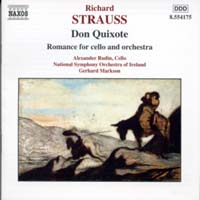
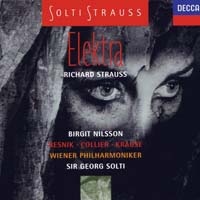 1986Elektra
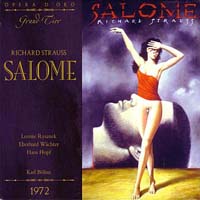 1978Salome