ALBUM NOTESListening guide: Richard Strauss's Arabella
Arabella- Album Overview
Richard Strauss's "Arabella," an opera in three acts, premiered in 1933 at the Semperoper in Dresden. The work is celebrated for its lush orchestration and the intricacy of its characters. The opera, based on a libretto by Hugo von Hofmannsthal, explores themes of love, wealth, and societal expectations in the early 20th century. The album featuring "Arabella" is often released by various labels, with the most notable recording being from the Deutsche Grammophon label, featuring renowned artists such as Renée Fleming in the title role, and conductor Christian Thielemann at the helm of the Staatskapelle Dresden.
The story revolves around Arabella, a young woman from a wealthy Viennese family who navigates a complex web of romance and duty. The music reflects Strauss's signature style, blending lyrical melodies with rich harmonies that evoke the opulence of the era. The album captures the emotional depth of the narrative, with memorable arias and ensemble pieces that highlight the tension between love and materialism. Released in the early 2000s, this recording revitalized interest in "Arabella," showcasing the work's relevance in contemporary opera. Its reception was positive, with critics praising the vocal performances and the orchestra's nuanced interpretation, solidifying "Arabella" as a significant work in the operatic repertoire.
Review
Strauss's "Arabella" is a masterclass in orchestration and vocal interplay. The soundscapes crafted throughout the opera are both opulent and ethereal, inviting listeners into a world where the beauty of the music mirrors the complexities of love and social expectation. Renée Fleming's portrayal of Arabella is nothing short of exquisite; her voice glides effortlessly through Strauss's demanding score, capturing both the character's fragility and strength. The lush orchestral arrangements beneath her singing create a rich tapestry that envelops the listener, making each aria a poignant moment of emotional clarity.
The libretto, with its witty yet profound dialogue, complements the music beautifully, although some may find the narrative pacing uneven at times. The exploration of the characters’ inner lives is deeply compelling, yet it requires attentive listening to fully appreciate the subtleties embedded within the score. Overall, "Arabella" stands as a testament to Strauss's ability to weave intricate human emotions into the fabric of his music, making it a vital contribution to the operatic canon.
Highlights
- The lush orchestration and rich harmonic language characteristic of Strauss.
- Renée Fleming's powerful and emotive performance as Arabella.
- The seamless blend of vocal and orchestral elements, creating a captivating listening experience.
Weak points
- Some listeners may find the pacing of the narrative to be uneven.
- The complexity of the score may be challenging for those unfamiliar with Strauss's style.
- Occasional moments of dialogue may feel tedious in the context of the music's sweeping melodies.
Overall evaluation
Richard Strauss's "Arabella" is a richly woven opera that resonates with both emotional depth and musical sophistication. Its exploration of love within the confines of societal norms remains poignant today. This recording is a must-listen for opera enthusiasts and those new to Strauss alike.
Personal rating: 9/10

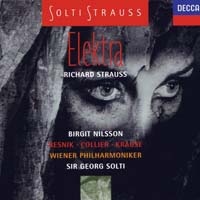 1986Elektra
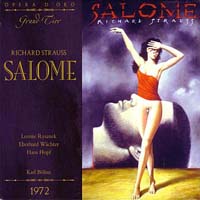 1978Salome