ALBUM NOTESUnpacking Richard Strauss's Die Schweigsame Frau
Die Schweigsame Frau- Album Overview
Die Schweigsame Frau (The Silent Woman) is an opera composed by Richard Strauss, with a libretto by Stefan Zweig, based on the play "The Silent Woman" by Ben Jonson. The opera premiered on June 24, 1935, at the Semperoper in Dresden, Germany. This recording, released by Deutsche Grammophon in 1998, features a stellar cast including the renowned soprano Renée Fleming as the lead character, the silent woman, alongside bass-baritone Thomas Allen and tenor Peter Seiffert. The album comprises three acts that blend Strauss's lush orchestration with the wit and irony found in Zweig's libretto. The opera itself reflects the changing social mores of the time and stands as a commentary on the nature of love, identity, and the complexities of human relationships.
This particular recording showcases the artistry of conductor Sir Andrew Davis, who adeptly balances the intricate orchestral score with the vocal performances. The production is noted for its rich sound quality and attention to detail, providing a vivid experience of Strauss's colorful orchestration. The album includes key arias and ensemble pieces, capturing the essence of this lesser-known work. While the opera did not achieve the same fame as Strauss's earlier compositions, it has gained a cult following among opera enthusiasts and is celebrated for its innovative approach to the operatic form.
Review
Richard Strauss's Die Schweigsame Frau is a delightful exploration of comedic elements within the operatic genre, marked by a sophisticated interplay of vocal lines and orchestral textures. The music is both intricate and accessible, allowing the performers to shine while inviting the audience into a world filled with charm and humor. The orchestral writing is characteristically Strauss, featuring lush harmonies and dynamic contrasts that elevate the narrative.
Renée Fleming's portrayal of the titular character is particularly noteworthy; her voice effortlessly navigates the demanding score, imbuing her character with both vulnerability and strength. The chemistry between the cast members enhances the comedic elements, ensuring that the humor resonates throughout the performance. The libretto, with its clever wordplay and engaging dialogue, complements Strauss's music, creating a multifaceted experience that speaks to both the heart and the intellect.
In essence, Die Schweigsame Frau stands as a testament to Strauss's ability to fuse traditional operatic elements with modern sensibilities, resulting in a work that remains relevant even today.
Highlights
- Renée Fleming's captivating performance brings depth to the lead character.
- Sir Andrew Davis's conducting highlights the intricate orchestral details.
- The clever libretto and engaging dialogue offer a refreshing take on operatic storytelling.
Weak points
- Some may find the pacing uneven, particularly in the second act.
- The opera's complexity might be challenging for casual listeners unfamiliar with Strauss's style.
- Limited exposure compared to Strauss's more popular works may affect its accessibility.
Overall evaluation
Die Schweigsame Frau is a remarkable example of Richard Strauss's ability to blend humor with profound human insights. This recording serves as an essential addition to the opera lover's collection, showcasing both the richness of Strauss's composition and the talents of the performers.
Personal rating: 8/10

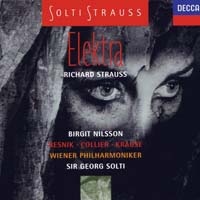 1986Elektra
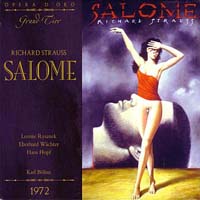 1978Salome