ALBUM NOTESHow Richard Strauss shaped the sound of Ein Heldenleben / Four Last Songs
Ein Heldenleben / Four Last Songs- Album Overview
Richard Strauss's "Ein Heldenleben" and "Four Last Songs" are monumental works that encapsulate the evolution of orchestral music in the late Romantic period. The album, released in 2018 under the acclaimed Deutsche Grammophon label, features performances by the renowned Berlin Philharmonic Orchestra, conducted by Kirill Petrenko, with soprano Annette Dasch lending her voice to the "Four Last Songs."
"Ein Heldenleben," composed in 1898, is a tone poem that portrays the life and struggles of a hero, reflecting Strauss's own artistic journey. The piece is characterized by its lush orchestration and intricate thematic development, presenting a vivid narrative through sound. The "Four Last Songs," completed in 1948, are a poignant farewell to life, showcasing Strauss's lyrical prowess and mastery of orchestral color, written in the twilight of his career.
The album not only highlights the stylistic breadth of Strauss's genius but also serves as a historical document, representing the transition from the emotional intensity of late Romanticism to the more introspective qualities of post-war music. Together, these works reveal Strauss's profound impact on the orchestral landscape, influencing generations of composers. The recording quality is superb, capturing the nuances of the orchestra and vocalist, which enhances the listening experience, making it a significant addition to any classical music enthusiast's collection.
Review
The album presents a compelling juxtaposition of Strauss's earlier and later works, showcasing his evolution as a composer. "Ein Heldenleben" bursts with vitality and bravado, reflecting the boldness of its hero through expansive orchestral textures and dynamic contrasts. The themes are richly developed, each movement flowing seamlessly into the next, painting a vivid musical narrative that is both grand and deeply personal.
In contrast, the "Four Last Songs" offer a reflective and serene quality, marked by a sense of nostalgia and acceptance. The orchestral accompaniment is delicate, allowing Dasch's voice to soar with emotional depth and clarity. Her interpretation of the songs is both tender and powerful, capturing the essence of Strauss's farewell to life and music.
Overall, the album encapsulates the duality of Strauss's artistic vision, blending the heroic and the introspective. The recording is a testament to the enduring relevance of Strauss's work, resonating deeply with listeners and inviting them into his rich sound world.
Highlights
- Stunning orchestral performance by the Berlin Philharmonic, showcasing technical brilliance.
- Annette Dasch's exquisite interpretation of the "Four Last Songs," filled with emotional nuance.
- Superb production quality, capturing the full spectrum of Strauss's orchestral color.
Weak points
- Some listeners may find the lengthy nature of "Ein Heldenleben" overwhelming.
- The contrasting styles between the two works may not appeal to all audiences.
- Lack of additional historical context or liner notes in some editions of the album.
Overall evaluation
"Ein Heldenleben / Four Last Songs" serves as a masterful exploration of Richard Strauss's artistic journey, offering listeners an immersive experience through contrasting yet complementary works. This album is essential for anyone wishing to understand the depth of Strauss's impact on classical music.
Personal rating: 9/10

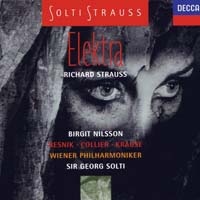 1986Elektra
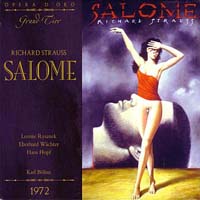 1978Salome