
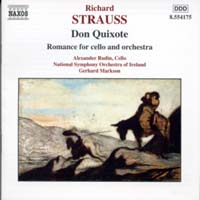
Don Juan / Don Quixote / Dance Of The Seven Veils by Richard Strauss: expectations vs reality
Don Juan / Don Quixote / Dance Of The Seven Veils - Album Overview
Released in 1995, the album "Don Juan / Don Quixote / Dance Of The Seven Veils" showcases the orchestral genius of German composer Richard Strauss, featuring three of his significant orchestral works. The recording is under the Deutsche Grammophon label, with conductor Sir Simon Rattle leading the London Symphony Orchestra. The album includes Strauss's tone poem "Don Juan," a vivid musical depiction of the legendary seducer, alongside "Don Quixote," which brilliantly captures the adventures of Cervantes' iconic character through rich orchestration and thematic development. The inclusion of "Dance of the Seven Veils," from the opera "Salome," adds a sensual and dramatic flair, showcasing Strauss's ability to blend narrative with intricate melodies.
This recording is notable for its lush sound and the technical prowess of the London Symphony Orchestra, which brings a modern interpretation to these classical pieces. The album has been praised for its balance of emotional depth and technical brilliance, appealing to both traditional classical music fans and new listeners. The works reflect Strauss's broader contributions to the late Romantic era, emphasizing themes of love, adventure, and existential reflection. The album is a testament to Strauss's enduring legacy in the classical music canon and his ability to engage with complex human emotions through orchestral music.
Review
The album delivers a powerful auditory experience, beginning with "Don Juan," where the orchestra's dynamic range captivates from the very first notes. The lush strings and soaring brass convey a sense of youthful exuberance and passion. In contrast, "Don Quixote" presents a more introspective journey, intricately weaving the narrative of the noble knight through its thematic variations. The cello's portrayal of Don Quixote brings a poignant depth that resonates with listeners. "Dance of the Seven Veils" rounds out the album with its seductive rhythms and haunting melodies, illustrating Strauss's remarkable ability to intertwine narrative and music. However, while the performances are technically impressive, some may find them leaning towards a more traditional interpretation, potentially lacking the adventurous spirit that characterized Strauss's original intent.
Highlights
- Impressive orchestration that showcases the full range of the London Symphony Orchestra.
- Emotionally resonant performances that bring Strauss's characters and narratives to life.
- High production quality that enhances the listening experience, making it accessible for a broad audience.
Weak points
- Some interpretations may feel conventional, lacking innovative flair.
- The album’s length might deter casual listeners seeking shorter classical works.
- Not all tracks may resonate equally with audiences, leading to a varied listening experience.
Overall evaluation
In summation, "Don Juan / Don Quixote / Dance Of The Seven Veils" serves as a strong representation of Strauss's orchestral prowess, even if it may not fully capture the adventurous spirit of the originals in every instance. The album is a worthy addition to any classical music enthusiast's collection, offering both depth and accessibility.
Personal rating: 8/10 1986Elektra
 1978Salome