ALBUM NOTESReview of Richard Strauss – Vier Letzte Lieder / Cäcilie / Das Rosenband / Mei
Vier Letzte Lieder / Cäcilie / Das Rosenband / Mei- Album Overview
Richard Strauss's "Vier Letzte Lieder / Cäcilie / Das Rosenband / Mei" is a significant collection that showcases the composer's late Romantic style, featuring some of his most poignant and evocative works. Released in 2016 by the renowned Deutsche Grammophon label, this album features the celebrated soprano Anna Netrebko, who delivers stirring performances that breathe life into Strauss's lush orchestral textures and lyrical melodies. The recording captures the essence of Strauss’s work, which is deeply rooted in themes of love, nature, and the human experience, reflecting his mastery in orchestration and vocal writing.
The "Vier Letzte Lieder" (Four Last Songs), composed in 1948, are particularly noteworthy as they represent Strauss's final orchestral work, penned shortly before his death. These songs are celebrated for their introspective nature, reflecting on life, death, and the passage of time, set against a backdrop of lush, sweeping orchestral arrangements. The other pieces, including "Cäcilie" and "Das Rosenband," are also steeped in rich harmonies and demonstrate Strauss's ability to blend text and music seamlessly.
Collaborating with conductor Gustavo Dudamel and the Berliner Philharmoniker, the album is a testament to the enduring legacy of Strauss's music. Each track is meticulously crafted, showcasing not just the vocal prowess of Netrebko but also the intricate interplay between voice and orchestra. The album has garnered acclaim for its emotional depth and technical brilliance, solidifying its place in the canon of classical music recordings.
Review
In this recording, Anna Netrebko shines as she navigates the rich emotional tapestry of Strauss's compositions with remarkable sensitivity. Her vocal delivery is both powerful and tender, encapsulating the bittersweet essence of the "Vier Letzte Lieder." The orchestral accompaniment, guided by Dudamel, is nothing short of magnificent, enveloping the listener in a soundscape that is both lush and expansive. The balance between voice and orchestra is expertly maintained, allowing each note to resonate and linger in the air.
The lyrics, deeply rooted in the themes of longing and nostalgia, are complemented by Strauss's intricate musical language, which weaves a complex emotional narrative. The artistic vision presented in this album is a celebration of life and the inevitable acceptance of mortality, making it a poignant addition to Strauss's oeuvre. With each listen, the richness of the orchestration and the depth of Netrebko's interpretation reveal new layers, making this album a rewarding experience for both newcomers and seasoned listeners of classical music.
Highlights
- Anna Netrebko's breathtaking vocal performance, full of emotional nuance.
- The lush orchestration by the Berliner Philharmoniker, masterfully conducted by Gustavo Dudamel.
- The significant cultural resonance of Strauss’s themes, particularly in the context of reflection on mortality and beauty.
Weak points
- Some listeners may find the slow pace of the "Vier Letzte Lieder" challenging, as they require a contemplative mindset.
- The album may lack the variety of tempo and mood found in other Strauss collections, focusing heavily on introspective pieces.
- For those unfamiliar with Strauss’s style, the complexity of the orchestration might be overwhelming at times.
Overall evaluation
Richard Strauss's "Vier Letzte Lieder / Cäcilie / Das Rosenband / Mei" is a masterful exploration of the human experience through music. With outstanding performances and rich orchestral textures, this album stands as a testament to Strauss's enduring legacy.
Personal rating: 9/10

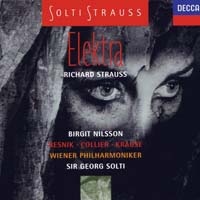 1986Elektra
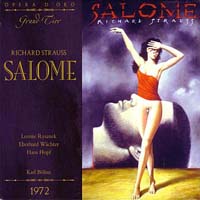 1978Salome