
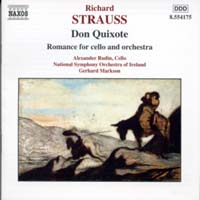
Review of Richard Strauss – Richard Strauss: Cello Sonata / Beethoven: Cello V
Richard Strauss: Cello Sonata / Beethoven: Cello V- Album Overview
The album "Richard Strauss: Cello Sonata / Beethoven: Cello V" features two significant works for cello and piano, showcasing the intricate interplay between these two instruments. Released in 2020, this recording is a collaboration between cellist Johannes Moser and pianist Lars Vogt, both of whom are acclaimed musicians in the classical music scene. The album is produced under the prestigious label Pentatone, known for its high-quality recordings and commitment to classical music. The first work, Richard Strauss's Cello Sonata, composed in 1883, is a rich tapestry of lyrical melodies and complex harmonies that reflect Strauss's early Romantic influences. The sonata is characterized by its emotional depth and technical demands, providing a showcase for both the cellist and pianist. The second work on the album is Beethoven's Cello Sonata No. 5 in D Major, op. 102 No. 2, composed in 1815. This piece is notable for its innovative structure and the way it blends lyrical expressiveness with dramatic contrasts. The recording captures the nuances of both compositions, allowing listeners to appreciate the subtleties and dynamics inherent in each piece. Moser and Vogt's interpretation offers a fresh perspective on these classical masterpieces, making the album significant in both a musical and cultural context. The album not only pays homage to the classical canon but also invites modern audiences to engage with these timeless works.
Review
The album presents a captivating exploration of two cornerstone works in the cello repertoire. Moser's cello playing is marked by a rich tone and impeccable phrasing, while Vogt's piano provides a robust yet sensitive accompaniment. The interplay between the two musicians is remarkable, creating a dialogue that breathes life into both Strauss's and Beethoven's compositions. Moser's interpretation of Strauss's Cello Sonata is particularly striking; he navigates its emotional landscape with both strength and vulnerability. The lyrical passages are rendered with a heartfelt expressiveness, while the more technical sections are executed with precision and flair. In the Beethoven sonata, the duo exhibits a strong understanding of the piece's contrasting moods, shifting seamlessly from moments of introspection to exuberant energy. The recording quality is pristine, enabling listeners to fully immerse themselves in the intricate details of the performance. Overall, this album stands out not just as a collection of works but as a testament to the enduring power of classical music and the talents of its performers.
Highlights
- Exceptional interplay between cellist Johannes Moser and pianist Lars Vogt.
- Rich, emotive interpretations of both Strauss and Beethoven's works.
- High-quality production that enhances the listening experience.
Weak points
- Some listeners may find the album's classical focus limiting in appeal.
- The emotional weight of the compositions may not resonate with all audiences.
- Occasional technical passages may feel overwhelming for casual listeners.
Overall evaluation
This album is a must-listen for classical music enthusiasts and a commendable introduction for those new to the genre. Moser and Vogt's interpretations breathe fresh life into these timeless works, making it an essential addition to any classical music library.
Personal rating: 9/10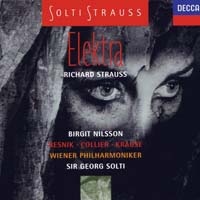 1986Elektra
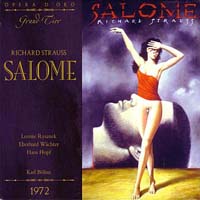 1978Salome