ALBUM NOTESStrauss: Also Sprach Zarathustra / Barber: Adagio: exploring the world of Richard Strauss
Strauss: Also Sprach Zarathustra / Barber: Adagio - Album Overview
The album "Strauss: Also Sprach Zarathustra / Barber: Adagio" showcases two monumental pieces in the classical music repertoire. Released in 1993 under the Deutsche Grammophon label, this recording features the renowned Chicago Symphony Orchestra, conducted by the illustrious Daniel Barenboim. The album captures Richard Strauss's "Also Sprach Zarathustra," a tone poem inspired by Friedrich Nietzsche's philosophical work of the same name. Strauss composed this piece in 1896, and it gained widespread recognition, particularly due to its iconic opening fanfare, which has been featured in numerous films, most notably Stanley Kubrick's "2001: A Space Odyssey."
Alongside Strauss's work, the album includes Samuel Barber's "Adagio for Strings," a hauntingly beautiful piece originally composed in 1936. The collaboration between Strauss's grand orchestration and Barber's introspective emotional depth creates a compelling listening experience. The recording sessions took place at Chicago’s Orchestra Hall, capturing the rich acoustics and vibrant sound of the ensemble. The album has been praised not only for the musicianship but also for the high-quality production, making it a significant addition to both Strauss and Barber's discographies.
This album holds cultural significance as it bridges the gap between Romanticism and modernism, showcasing the evolution of classical music in the 19th and 20th centuries. It invites listeners to explore profound themes of existence, humanity, and emotion, making it a timeless exploration of the human condition.
Review
Barenboim's interpretation of Strauss's "Also Sprach Zarathustra" is nothing short of spectacular. The orchestra's powerful dynamics resonate brilliantly, with the opening section delivering a spine-tingling presence that captivates from the first note. The rich textures and intricate orchestration are executed with precision and flair, showcasing the virtuosity of each section within the orchestra. Barenboim's thoughtful pacing allows the themes to unfold organically, drawing the listener into the philosophical journey that Strauss intended.
Contrastingly, Barber's "Adagio for Strings" offers a stark emotional shift. The strings evoke a profound sense of yearning and melancholy, a testament to Barber’s genius in capturing the human spirit. The performance is deeply moving, with each swell and release expertly controlled, allowing the music's emotional weight to resonate fully. The seamless transition between these two iconic works creates a powerful narrative arc, making this album a must-listen for classical enthusiasts and newcomers alike.
Highlights
- Exceptional interpretation of "Also Sprach Zarathustra" by Barenboim and the Chicago Symphony Orchestra.
- Emotionally charged performance of Barber's "Adagio for Strings," showcasing the depth of string playing.
- High-quality production values that enhance the listening experience.
Weak points
- Some listeners may find the transition between the two pieces jarring due to their contrasting styles.
- The recording is relatively short, with only two major works included, leaving some listeners desiring more content.
- Limited availability of physical copies may hinder accessibility for some audiences.
Overall evaluation
Overall, "Strauss: Also Sprach Zarathustra / Barber: Adagio" is a compelling exploration of two significant works in classical music, brought to life by Barenboim and the Chicago Symphony Orchestra. The album successfully juxtaposes the grandiosity of Strauss with the introspection of Barber, offering listeners a rich and engaging experience.
Personal rating: 9/10

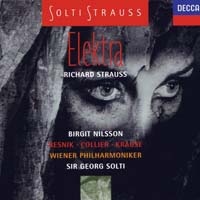 1986Elektra
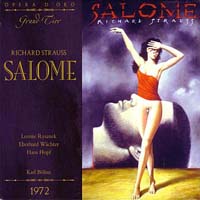 1978Salome