ALBUM NOTESAlbum spotlight: Richard Strauss – Also sprach Zarathustra / Don Juan
Also sprach Zarathustra / Don Juan- Album Overview
Richard Strauss's "Also sprach Zarathustra / Don Juan," released in 1984, is a compelling collection that showcases two of his most celebrated orchestral works. The album features the renowned "Also sprach Zarathustra" (1896), inspired by Friedrich Nietzsche's philosophical novel, and "Don Juan" (1888), a tone poem based on the legendary character of Don Juan. The album was recorded by the Berlin Philharmonic under the baton of conductor Herbert von Karajan, a prominent figure in the classical music world known for his interpretive prowess and leadership.
The recording took place in the 1980s, specifically during the era when Karajan was at the helm of the Berlin Philharmonic, a period marked by innovative interpretations of classical masterpieces. The album was released under the Deutsche Grammophon label, which has a longstanding reputation for high-quality classical recordings.
"Also sprach Zarathustra" is particularly notable for its opening fanfare, which has permeated popular culture, most famously as the theme for Stanley Kubrick's film "2001: A Space Odyssey." This piece reflects Strauss's ability to blend lush orchestration with philosophical depth. "Don Juan," on the other hand, is celebrated for its vibrant orchestral colors and dramatic storytelling, illustrating the seduction and ultimate demise of the titular character.
Both compositions exemplify Strauss's mastery of tone poetry and his influence on the Romantic music landscape. The album not only serves as a showcase for Strauss's genius but also as a testament to the technical prowess of the Berlin Philharmonic, making it a significant addition to the classical music canon.
Review
The recording of "Also sprach Zarathustra / Don Juan" is a stunning auditory experience that highlights the Berlin Philharmonic's exceptional musicianship. Karajan's interpretation of "Also sprach Zarathustra" opens with a powerful and haunting brass fanfare, setting an epic tone that resonates throughout the entire album. The orchestra's dynamics are expertly controlled, with a rich palette of sounds that evoke the philosophical themes present in Nietzsche's work.
In "Don Juan," the energy and passion are palpable, with the strings and woodwinds weaving an intricate tapestry that captures the essence of the protagonist's adventurous spirit. Karajan’s direction brings a sense of drama and urgency to the performance, allowing the listener to experience the narrative vividly.
Overall, the album’s production quality is superb, showcasing the depth of sound that is characteristic of Deutsche Grammophon recordings. The interplay between the instruments is masterfully balanced, with each section of the orchestra shining through in clarity and detail.
Highlights
- Exceptional orchestral performance by the Berlin Philharmonic
- Karajan's dynamic and insightful interpretations
- Iconic opening of "Also sprach Zarathustra" remains a cultural touchstone
Weak points
- Some listeners may find the interpretation too traditional
- Limited contextual information for casual listeners unfamiliar with Strauss
- Lengthy compositions may not appeal to all audiences
Overall evaluation
"Also sprach Zarathustra / Don Juan" is an outstanding representation of Richard Strauss's orchestral mastery, brought to life by the Berlin Philharmonic under Herbert von Karajan. Its cultural significance and musical brilliance make it a recommended listen for both classical enthusiasts and newcomers alike.
Personal rating: 9/10

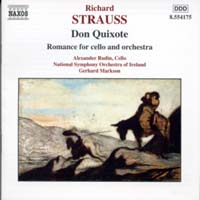
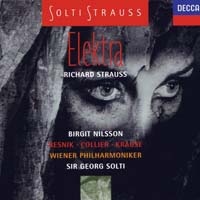 1986Elektra
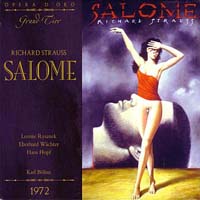 1978Salome