ALBUM NOTESInside Sternklang (1969-71) Parkmusik für 5 Gruppen by Karlheinz Stockhausen-Sternklang (1969-71) Parkmusik für 5 Gruppen
Album overview
Sternklang, composed by Karlheinz Stockhausen between 1969 and 1971, represents a significant contribution to the realm of contemporary classical music. This piece was released in 1971 on the Deutsche Grammophon label, showcasing Stockhausen's vision of spatial music. The composition is designed for five groups of musicians, which allows for a unique interplay of sound across various locations in a park setting, demonstrating Stockhausen's innovative approach to performance and audience experience. The recording features prominent collaborators, including noted musicians from the Cologne-based ensemble, who were integral to bringing this ambitious work to life. The piece is divided into several sections that explore different themes and sonic textures, incorporating a wide array of instruments and techniques. The cultural significance of Sternklang lies in its pioneering exploration of spatialized sound, challenging traditional concert formats and engaging with the natural environment. This work not only reflects Stockhausen’s avant-garde ethos but also serves as a precursor to many developments in experimental music that followed.
Review
Sternklang is an audacious journey into the auditory landscape, where Stockhausen pushes the boundaries of what constitutes music. The composition's strength lies in its immersive quality, as the five groups create a rich tapestry of sound that ebbs and flows through the listener’s space. The use of spatialization allows audiences to experience the sound from various perspectives, making each performance unique. The absence of traditional melodic structures in favor of a focus on textures and timbres can be challenging for some listeners, but it rewards those willing to engage deeply with the piece. Stockhausen’s artistic vision is both cerebral and visceral, demanding attention while simultaneously inviting contemplation. The lack of conventional rhythms and harmonies may alienate some, but for enthusiasts of avant-garde music, it represents a profound exploration of the boundaries of sound.
Highlights
- Innovative use of spatialization enhances the listening experience.
- Rich textures and soundscapes create a unique auditory journey.
- Reflects Stockhausen's avant-garde ethos and challenges traditional music norms.
Weak points
- May be too abstract for mainstream listeners.
- Requires a deep engagement, potentially alienating casual audiences.
- Lack of melodic structures may frustrate traditional music fans.
Overall evaluation
Sternklang is a landmark work that pushes the boundaries of musical form and engagement. Its innovative approach to sound and space makes it a compelling listen for those interested in the avant-garde.
Personal rating: 8/10
```


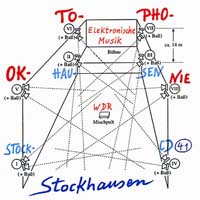 1994Oktophonie
 1980Donnerstag aus Licht
 1969Hymnen
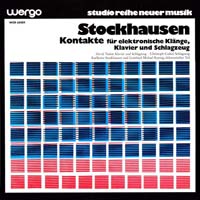 1960Kontakte