ALBUM NOTESInside Karlheinz Stockhausen by Karlheinz Stockhausen
Karlheinz Stockhausen- Album Overview
Karlheinz Stockhausen, one of the most influential figures in 20th-century music, is often celebrated for his innovative approach to composition and sound. The album "Karlheinz Stockhausen," released in 1970, showcases a selection of his groundbreaking work that spans various genres, primarily focusing on avant-garde and electronic music. This album is a testament to Stockhausen's visionary spirit, reflecting his commitment to exploring new sonic landscapes.
Produced under the esteemed Deutsche Grammophon label, this album features a collection of compositions that highlight Stockhausen's use of unconventional instruments, electronic manipulation, and spatial arrangements of sound. Key tracks include “Gesang der Jünglinge” and “Kontakte,” which exemplify his pioneering use of tape music and live performance integration. The recording sessions were characterized by Stockhausen's meticulous attention to detail, often collaborating with a range of musicians and sound engineers to achieve his artistic vision.
The significance of this album extends beyond its experimental sound; it represents a crucial moment in the evolution of contemporary music, bridging the gap between classical traditions and modern technological advancements. Stockhausen's work has influenced countless artists across various genres, from minimalism to electronic dance music, establishing him as a central figure in the discussion of music's future.
Review
The album "Karlheinz Stockhausen" is an ambitious exploration of sound that challenges listeners to rethink their relationship with music. Stockhausen's compositions are characterized by their complexity and innovative structures, often defying conventional musical forms. The use of electronic techniques creates a rich tapestry of sound that immerses the listener in a world of auditory experimentation.
The soundscapes are often jarring yet mesmerizing, drawing from both natural and synthetic elements. Stockhausen's artistic vision is evident in the way he manipulates time and space within his compositions, creating a multi-dimensional listening experience. While the album may not cater to mainstream tastes, its artistic merit is undeniable, pushing the boundaries of what music can be.
In terms of lyrics, Stockhausen's work is largely instrumental, focusing instead on the purity of sound and its emotional resonance. His ability to evoke feelings through abstract arrangements speaks to his genius as a composer. This album is not merely an auditory experience; it is an invitation to engage with the very essence of sound.
Highlights
- Innovative use of electronic music techniques.
- Complex and immersive soundscapes.
- Significant influence on future generations of musicians.
Weak points
- May be inaccessible to casual listeners.
- Complex structures can lead to listener fatigue.
- Limited commercial appeal compared to mainstream music.
Overall evaluation
"Karlheinz Stockhausen" remains a landmark album in the realm of avant-garde music, showcasing Stockhausen's revolutionary ideas and techniques that have left an indelible mark on the musical landscape. While it may not resonate with everyone, its importance in the evolution of sound cannot be overstated.
Personal rating: 8/10


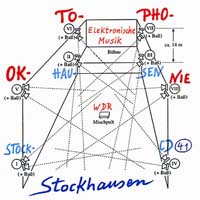 1994Oktophonie
 1980Donnerstag aus Licht
 1969Hymnen
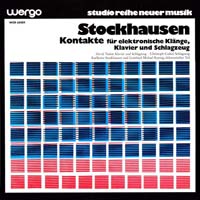 1960Kontakte