ALBUM NOTESExploring the sound of Karlheinz Stockhausen-Prozession: Prozession
Album overview
Karlheinz Stockhausen's 1967 composition "Prozession" is a landmark work in the realm of avant-garde music, often regarded as a significant contribution to modern classical music. Originally released by the German label Deutsche Grammophon, "Prozession" is part of Stockhausen's larger oeuvre that encompasses a variety of experimental techniques and concepts. The piece is notable for its unique orchestration and structure, employing a complex interplay of sound and silence. Stockhausen composed "Prozession" as part of his exploration into spatial music, where performers are placed in various locations within the performance space, creating a dynamic auditory experience.
The recording features a range of instruments, including woodwinds, brass, percussion, and electronic elements, showcasing Stockhausen's innovative approach to sound manipulation. Collaborators on the project include prominent musicians from the contemporary classical scene, who bring their own interpretations to the piece. The work's intricate textures and avant-garde techniques reflect Stockhausen's belief in the spiritual and transformative power of music. Its release during a period of significant cultural upheaval in the 1960s also adds to its relevance, as it challenges traditional musical forms and encourages listeners to engage with sound on a deeper level. "Prozession" continues to influence composers and musicians today, marking its place as a pivotal work in the evolution of contemporary music.
Review
"Prozession" is an audacious exploration of sound that defies conventional musical boundaries. Stockhausen’s ability to manipulate silence and create tension is remarkable, allowing listeners to experience music as an immersive journey rather than a mere auditory exercise. The composition unfolds with a deliberate pace, inviting the audience to engage with the intricate layers of sound. Each section of "Prozession" reveals unexpected textures and juxtapositions, as various instrumental voices emerge and recede, creating a complex tapestry that challenges the listener's preconceptions of melody and harmony.
While Stockhausen's work can be polarizing, there is an undeniable artistic vision that permeates "Prozession." It reflects his deep philosophical inquiries into the nature of sound, space, and human experience. The piece lacks traditional lyrics but conveys an emotional landscape through its sonic architecture, evoking feelings of wonder and contemplation. The experimental nature of the work may not resonate with all listeners, but for those willing to embrace its challenges, "Prozession" offers a profound and transformative musical experience.
Highlights
- Innovative use of spatial arrangements enhances the listening experience.
- Complex layering of sounds creates an immersive atmosphere.
- Reflects Stockhausen's philosophical inquiries and artistic vision.
Weak points
- May be inaccessible to casual listeners unfamiliar with avant-garde music.
- Lengthy sections may test the patience of some audiences.
- Limited melodic content might alienate traditional classical music fans.
Overall evaluation
"Prozession" stands as a testament to Karlheinz Stockhausen's innovative spirit and his ability to push the boundaries of classical music. While it may not cater to all tastes, its cultural significance and artistic merit are undeniable. This composition invites a deeper engagement with sound, challenging listeners to expand their understanding of music.
Personal rating: 8/10
```

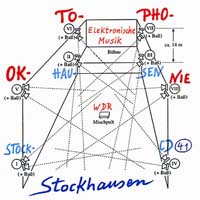 1994Oktophonie
 1980Donnerstag aus Licht
 1969Hymnen
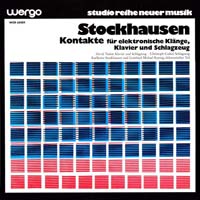 1960Kontakte