

One week with Karlheinz Stockhausen Dirigiert: thoughts on Karlheinz Stockhausen
Karlheinz Stockhausen Dirigiert- Album Overview
The album Karlheinz Stockhausen Dirigiert features the avant-garde compositions of the renowned German composer Karlheinz Stockhausen, released in 1972 under the Deutsche Grammophon label. This recording is a significant artifact in the realm of contemporary classical music, showcasing Stockhausen's innovative approach to sound and musical structure. The album consists of several tracks, including "Gruppen" and "Kontakte," which are exemplary works that highlight Stockhausen's exploration of spatialization and complex rhythms.
Stockhausen, a pivotal figure in the development of electronic music and total serialism, collaborated with leading musicians and conductors to bring his compositions to life. The album captures live performances from different concerts, utilizing cutting-edge technology of the time to manipulate sound. The recording process was a meticulous endeavor, reflecting Stockhausen's philosophy of treating music as an experience that transcends traditional auditory boundaries. Notably, the album features a range of ensembles and orchestras, illustrating Stockhausen's commitment to collaboration and experimentation.
As a cultural landmark, Karlheinz Stockhausen Dirigiert represents the peak of avant-garde exploration in the 20th century, influencing countless composers and musicians across genres. Its release not only solidified Stockhausen's legacy as a trailblazer in contemporary music but also sparked discussions about the role of audience perception and the nature of music itself. The album remains a vital study for those interested in the evolution of musical art, pushing the boundaries of what music can convey and how it can be experienced.
Review
Listening to Karlheinz Stockhausen Dirigiert is an immersive experience that can be both challenging and enlightening. The soundscapes are rich with texture and complexity, showcasing Stockhausen's innovative use of space and time. Each track reveals a distinct sonic landscape, where traditional melody often takes a backseat to intricate rhythms and the exploration of sound itself. The compositions are less about conventional narrative and more about evoking an emotional response through abstract sound forms.
Stockhausen's artistic vision is palpable throughout the album. His ability to manipulate sound and silence creates a dynamic listening experience that oscillates between chaos and harmony. The performances, led by various conductors, embody a sense of urgency and precision, capturing the essence of Stockhausen’s intricate scores. While some listeners may find the lack of traditional structure disorienting, others will appreciate the intellectual rigor and avant-garde spirit that defines this collection. Ultimately, the album serves as a powerful reminder of music's potential to challenge and expand our understanding of auditory art.
Highlights
- Innovative use of spatialization and sound manipulation.
- Complex and engaging compositions that push musical boundaries.
- Rich collaboration with esteemed musicians and conductors, leading to high-quality performances.
Weak points
- Can be challenging for listeners unfamiliar with avant-garde music.
- The abstract nature of the pieces may lead to a lack of emotional connection for some.
- Lengthy tracks may test the patience of those preferring concise musical forms.
Overall evaluation
Karlheinz Stockhausen Dirigiert stands as a monumental work in the realm of contemporary classical music, showcasing Stockhausen's groundbreaking approach to sound. While it may not cater to every listener's tastes, its artistic merit is undeniable, marking an essential exploration of what music can be.
Personal rating: 8/10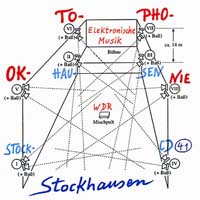 1994Oktophonie
 1980Donnerstag aus Licht
 1969Hymnen
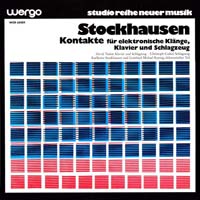 1960Kontakte