

Karlheinz Stockhausen-Sirius (1975-77) Elektronische Musik Und Trompete, Sopran, – Sirius (1975-77) Elektronische Musik Und Trompete,: a sonic journey
Album overview
Sirius (1975-77) is an ambitious work by the pioneering German composer Karlheinz Stockhausen, known for his revolutionary contributions to electronic music and avant-garde classical compositions. Released in 1977, this album showcases Stockhausen's unique blend of electronic sounds, instrumental performance, and vocal elements. The piece is structured for a large ensemble, including a trumpet, soprano, and various electronic instruments, illustrating Stockhausen's exploration into spatial music and the integration of technology with live performance.
Stockhausen composed Sirius during a period marked by his fascination with the cosmos and metaphysics, drawing inspiration from the star Sirius, which he believed to be a significant symbol in many cultures. The recording took place at the WDR Studio in Cologne, which was at the forefront of electronic music at the time. The album was released under the Deutsche Grammophon label and consists of complex layers of sound, rhythmic patterns, and textures, blurring the lines between composition and improvisation. Notable collaborators on this project include the trumpet virtuoso Markus Stockhausen and soprano Christine Schornsheim, who bring a rich interpretative depth to the work.
Sirius is not merely an album but rather an immersive sonic experience, reflecting Stockhausen’s vision of music as a form of communication that transcends traditional boundaries. The album's innovative approach and profound thematic concerns place it in a significant cultural context, influencing generations of composers and musicians across various genres.
Review
The sonic landscape of Sirius is both intricate and expansive, embodying Stockhausen's deep understanding of sound and silence. The blend of electronic music with live performance creates an ethereal atmosphere that captivates the listener from the very first note. The utilization of the trumpet and soprano adds a human touch that contrasts beautifully with the mechanized sounds of the electronics, allowing for a dialogue between the organic and the synthetic.
In terms of artistic vision, Stockhausen's work in Sirius reflects a profound philosophical inquiry into the nature of existence and perception. The album eschews conventional musical forms in favor of a more fluid structure that encourages introspection. Each track unfolds like a cosmic journey, inviting listeners to explore the depths of their own consciousness while navigating the intricate musical pathways laid out by Stockhausen.
Highlights
- Innovative fusion of electronic and acoustic elements.
- Profound thematic exploration of cosmic and metaphysical ideas.
- Exceptional performances by Markus Stockhausen and Christine Schornsheim.
Weak points
- May be challenging for listeners unfamiliar with avant-garde music.
- Lengthy compositions could feel meandering to some.
- The abstract nature might not appeal to traditional classical music enthusiasts.
Overall evaluation
Sirius stands as a monumental achievement in the realm of electronic music and avant-garde composition, showcasing Stockhausen's visionary approach to sound. It invites listeners on a unique journey that challenges their perceptions and engages their imaginations.
Personal rating: 9/10 ```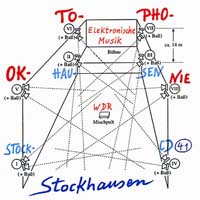 1994Oktophonie
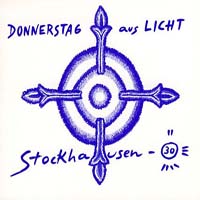 1980Donnerstag aus Licht
 1969Hymnen
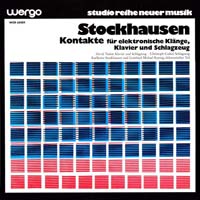 1960Kontakte