ALBUM NOTESAlbum spotlight: Karlheinz Stockhausen-Mixtur (1967) – Mixtur (1967)
Album overview
Karlheinz Stockhausen's "Mixtur," released in 1967, is a groundbreaking work in the realm of electroacoustic music. This composition was created during a period where Stockhausen was pioneering new forms of music through the integration of live performance and electronic sound. The piece was composed for a mixture of instrumental forces and live electronics, showcasing Stockhausen's innovative approach to sound manipulation. Recorded in the studios of WDR (Westdeutscher Rundfunk) in Cologne, the album was released under the Deutsche Grammophon label, a prominent platform for classical and avant-garde music.
"Mixtur" features a blend of traditional instruments, including strings and woodwinds, alongside electronic sounds generated by tape manipulation and real-time processing. The piece is divided into several sections, each exploring the relationship between acoustic and electronic soundscapes. Stockhausen collaborated with various musicians, enhancing the work’s texture and complexity. As a representative of the post-war avant-garde movement, "Mixtur" reflects Stockhausen's ambition to expand the boundaries of music, challenging listeners to reconsider the nature of sound and its perception.
This album not only holds significance for its technical achievements but also for its cultural impact, influencing a generation of composers and musicians in the realms of contemporary classical and experimental music. With its release, "Mixtur" further solidified Stockhausen's legacy as a pivotal figure in 20th-century music, pushing the envelope of what music could be in terms of structure, form, and listener engagement.
Review
"Mixtur" is an audacious exploration of sound that defies conventional musical expectations. The interplay between the live instruments and the electronic elements creates a dynamic listening experience, where the boundaries of melody, rhythm, and timbre are constantly being redefined. Stockhausen's vision is both meticulous and expansive, allowing for moments of serene beauty juxtaposed against chaotic bursts of sound.
The album does not rely on traditional song structures, opting instead for a more abstract, experiential approach that invites the listener to engage with the music on a deeper level. Each section feels like a distinct journey, filled with textures that oscillate between harshness and delicacy. The use of silence and space is equally intentional, creating an atmosphere that encourages contemplation.
While the work may not appeal to mainstream tastes, its artistic intention and innovative use of technology mark it as a significant milestone in the evolution of contemporary music.
Highlights
- Innovative blend of live instrumentation and electronic sounds.
- Complex textures and rich soundscapes that challenge traditional listening experiences.
- Significant cultural impact, influencing contemporary classical and experimental genres.
Weak points
- May be inaccessible to listeners unfamiliar with avant-garde music.
- Lengthy sections might test the patience of some audiences.
- Complexity can overshadow melodic elements, possibly alienating traditional music fans.
Overall evaluation
"Mixtur" stands as a testament to Stockhausen's genius and his relentless quest to explore the possibilities of sound. It is a challenging but rewarding listen for those willing to venture into the realm of avant-garde music.
Personal rating: 8/10
```


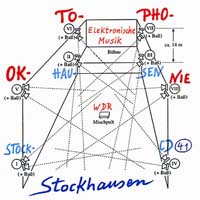 1994Oktophonie
 1980Donnerstag aus Licht
 1969Hymnen
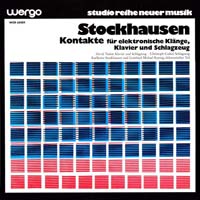 1960Kontakte