ALBUM NOTESInside the atmosphere of Karlheinz Stockhausen's Karlheinz Stockhausen: Gruppen / György Kurtág: Gr
Karlheinz Stockhausen: Gruppen / György Kurtág: Gr- Album Overview
Karlheinz Stockhausen's "Gruppen," originally composed in 1955-1957, is a landmark work in the field of contemporary classical music. The piece, for three orchestras, exemplifies Stockhausen's innovative approach to spatialization and live performance, designed to utilize the concert hall's acoustics in an unprecedented way. The album, which pairs "Gruppen" with György Kurtág's "Gr," was released in 1992 under the Deutsche Grammophon label. This recording features the acclaimed conductor Pierre Boulez and the Ensemble InterContemporain, showcasing the exceptional talent of the musicians involved.
"Gr," a composition by the Hungarian composer Kurtág, further explores the avant-garde tradition with its intricate textures and expressive depth, highlighting the influence of Stockhausen's pioneering work on subsequent generations of composers. The recording sessions took place in the late 1980s and early 1990s, capturing the essence of these two significant pieces in modern classical music through meticulous production techniques.
This album serves not only as a representation of two vital works but also as a cultural artifact that reflects the evolution of musical thought in the latter half of the 20th century. It invites listeners to experience the profound complexities and emotional resonances that define both composers' legacies.
Review
The album opens with Stockhausen's "Gruppen," where the listener is immediately enveloped in a complex auditory landscape, characterized by its orchestral layering and innovative use of space. The three orchestras, positioned strategically around the audience, create a dynamic interplay of sound that is both disorienting and exhilarating. Boulez's direction is precise yet allows for the organic emergence of each musician's voice, making each listening experience unique.
Transitioning to Kurtág's "Gr," the music takes on a more intimate and introspective quality. The piece is marked by its brief yet poignant gestures, showcasing Kurtág's ability to convey deep emotion through minimalism. The contrast between Stockhausen's expansive soundscapes and Kurtág's concentrated expressions is striking, offering a comprehensive exploration of the avant-garde.
Throughout the album, the sonic experimentation and technical prowess are undeniably impressive, though the challenge for some listeners may lie in the abstract nature of the compositions.
Highlights
- Innovative orchestration and spatialization techniques in "Gruppen."
- Intense emotional depth and minimalism in Kurtág's "Gr."
- Exceptional performance by the Ensemble InterContemporain under Boulez's direction.
Weak points
- Abstract nature may alienate casual listeners.
- Lengthy compositions may challenge attention spans.
- Limited appeal outside of the contemporary classical genre.
Overall evaluation
"Karlheinz Stockhausen: Gruppen / György Kurtág: Gr" is a profound exploration of modern classical music, showcasing the brilliance of two influential composers. While it may pose challenges for some listeners, its artistic merit and innovative spirit are undeniable.
Personal rating: 8/10

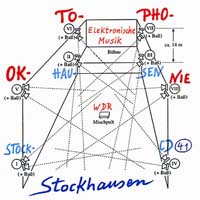 1994Oktophonie
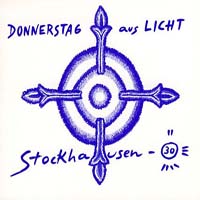 1980Donnerstag aus Licht
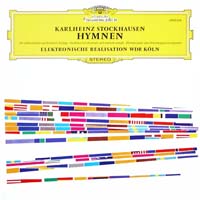 1969Hymnen
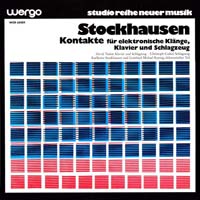 1960Kontakte