ALBUM NOTESKarlheinz Stockhausen raises the bar with Für Kommende Zeiten
Für Kommende Zeiten- Album Overview
Für Kommende Zeiten, released in 1970, is a remarkable collection of works by the pioneering German composer Karlheinz Stockhausen, known for his groundbreaking contributions to the field of electronic and avant-garde music. The album, whose title translates to "For Times to Come," showcases Stockhausen's innovative approach to composition and sound, reflecting his deep exploration of spatialization and the use of new technology in music production. It was released under the label Deutsche Grammophon, a platform renowned for promoting classical and contemporary music.
The album features several pieces, including "Mantra," which is a key highlight, and employs a unique combination of live performance and electronic manipulation. Collaborators on this album include musicians from various backgrounds, contributing to the rich tapestry of sounds that Stockhausen is known for. The recording of Für Kommende Zeiten took place at various locations, including the prestigious Studio für elektronische Musik in Cologne, where Stockhausen spent much of his career developing his revolutionary ideas.
Musically, the album is significant for its exploration of form and structure, often blurring the lines between composition and improvisation. Stockhausen's work on this album has had a significant influence on subsequent generations of composers and musicians, particularly in the realms of electronic music and experimental soundscapes. The album's release marked a pivotal moment in the evolution of contemporary classical music, challenging listeners to engage with sound in new and profound ways.
Review
Stockhausen's Für Kommende Zeiten immerses listeners in a world of innovative soundscapes that are both challenging and rewarding. The album is characterized by its complex textures and intricate use of space, a hallmark of Stockhausen's artistic vision. The opening track, "Mantra," serves as a prime example, blending live instrumentation with electronic elements in a seamless dialogue. The rhythmic interplay and harmonic exploration create a sense of otherworldliness, inviting listeners to abandon conventional listening habits.
Lyrically, the album is largely instrumental, relying on sound as the primary means of expression. However, the titles themselves often suggest a deeper philosophical engagement, prompting reflection on the nature of time and existence. Stockhausen's ability to weave together disparate musical ideas into a cohesive whole is both impressive and thought-provoking, showcasing his mastery of composition.
The artistic vision behind Für Kommende Zeiten reflects Stockhausen’s commitment to pushing the boundaries of music. His exploration of new technologies, combined with his philosophical inquiries, establishes a profound connection with the listener, challenging them to experience music not just as sound but as a form of communication and expression.
Highlights
- Innovative use of electronic and acoustic elements.
- Complex textures and spatial dynamics that challenge traditional listening.
- Significant influence on contemporary electronic and avant-garde music.
Weak points
- May be inaccessible for listeners unaccustomed to avant-garde music.
- Some tracks may feel lengthy and require patience to appreciate fully.
- Limited lyrical content may not appeal to those seeking narrative-driven music.
Overall evaluation
Für Kommende Zeiten stands as a testament to Karlheinz Stockhausen's genius, pushing the boundaries of what music can be and how it can be experienced. While it may not cater to all tastes, its cultural significance and innovative spirit cannot be overstated.
Personal rating: 9/10


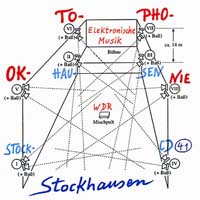 1994Oktophonie
 1980Donnerstag aus Licht
 1969Hymnen
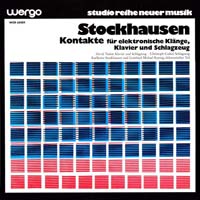 1960Kontakte