

Check the vibes: Karlheinz Stockhausen-Elektronische Musik 1952-1960 – Elektronische Musik 1952-1960
Album overview
"Elektronische Musik 1952-1960" is a pivotal collection of works by German composer Karlheinz Stockhausen, released in 1960 by the Deutsche Grammophon label. This album marks a significant milestone in the development of electronic music, showcasing Stockhausen's innovative experimentation with sound and composition during the early years of electronic music. The album features a series of pioneering tracks that were produced using tape manipulation and electronic instruments, which were relatively new concepts at the time. Among the notable pieces included are "Studie I" and "Studie II," which are celebrated for their intricate layering and spatial dynamics. Stockhausen's work during this period was heavily influenced by his collaborations with engineers and other musicians at the WDR (Westdeutscher Rundfunk), where he had access to cutting-edge technology. The album not only reflects Stockhausen's avant-garde vision but also serves as a historical document of the early exploration of audio technology in the 20th century. It significantly contributed to the broader cultural movement of the time, influencing countless artists across various genres. The album's release in the 1960s coincided with a burgeoning interest in experimental music, making it a crucial piece in the evolution of contemporary sound art.
Review
"Elektronische Musik 1952-1960" is an auditory experience that challenges conventional music listening and invites listeners into a realm of abstract soundscapes. The absence of traditional melodies and harmonies in favor of pure electronic sounds may alienate some, but for others, it offers an exhilarating glimpse into the possibilities of music beyond conventional boundaries. Stockhausen's artistic vision is clear, he sought to transcend the limitations of acoustic instruments and explore the full potential of electronic media. The meticulous structure of each piece reflects his deep understanding of sound as a physical phenomenon, manipulating audio in ways that evoke both emotion and intellectual curiosity. While the album may not be for everyone due to its avant-garde nature, it undeniably plays a critical role in shaping the future of music, paving the way for generations of electronic artists. The album’s experimental nature pushes listeners to engage actively with the sound, making it a unique listening experience that resonates with the ideals of artistic exploration.
Highlights
- Groundbreaking use of tape and electronic manipulation techniques.
- Innovative compositions that redefine the boundaries of music.
- A historical document of the evolution of electronic music.
Weak points
- May be too abstract for mainstream listeners.
- Limited appeal due to its avant-garde nature.
- Some tracks may feel repetitive in their experimentation.
Overall evaluation
"Elektronische Musik 1952-1960" is a landmark album that captures the spirit of innovation in electronic music. While it may not cater to all musical tastes, its significance in the history of music is undeniable. It challenges listeners to expand their understanding of sound and composition.
Personal rating: 8/10 ```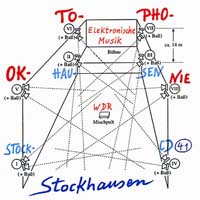 1994Oktophonie
 1980Donnerstag aus Licht
 1969Hymnen
 1960Kontakte