ALBUM NOTESExploring the sound of Antonio Vivaldi: Vivaldi: The Four Seasons
Vivaldi: The Four Seasons- Album Overview
Antonio Vivaldi's "The Four Seasons," composed in 1723 and published in 1725, is one of the most recognizable and celebrated works in the classical music canon. This set of four violin concertos, each representing a different season, is part of Vivaldi's larger work, "Il cimento dell'armonia e dell'inventione" (The Contest between Harmony and Invention). The album showcases Vivaldi's innovative use of baroque techniques, including the use of programmatic music to evoke images and feelings associated with each season.
The original release was on the Venice-based publisher Estienne Roger's label, and it has since been recorded by countless artists across various interpretations. Notable recordings include those by renowned violinists such as Itzhak Perlman and Anne-Sophie Mutter, as well as orchestras like the Academy of St Martin in the Fields. Each interpretation brings a unique flavor to Vivaldi's vivid musical storytelling, characterized by its lively rhythms, striking contrasts, and emotive melodies.
"The Four Seasons" has left a profound cultural impact, influencing not only classical music but also popular culture, film, and beyond. Its thematic representation of nature and the human experience resonates deeply with audiences, making it a staple in concert halls worldwide. The work has been featured in films, commercials, and even modern pop music, showcasing its timeless relevance. The singles from this album, such as "Spring" and "Winter," have become synonymous with classical music and are frequently performed and recorded.
Review
Vivaldi's "The Four Seasons" presents a breathtaking exploration of musical storytelling through its intricate compositions and vivid imagery. Each concerto is a sonic representation of its respective season, intricately woven with a sense of urgency and emotion. The piece starts with "Spring," introducing a lively tempo and joyous motifs that evoke the rebirth of nature, while "Summer" captures the languid heat and the impending storms with its dramatic contrasts.
The virtuosic demands placed on the solo violinist are profound, showcasing not only technical prowess but also expressive depth. Vivaldi’s ability to paint a scene with sound is unparalleled, as he employs a variety of techniques, including rapid string passages and poignant melodies, to bring to life the essence of each season. The album's orchestral accompaniment provides a rich, full-bodied backdrop that enhances the soloist's performance.
However, while the music is undeniably enchanting, the lack of lyrics means that the emotional depth must be conveyed solely through instrumentation. This can sometimes leave listeners yearning for a more direct connection to the narrative. Nevertheless, Vivaldi's artistry shines through, making each listen a refreshing experience, as the listener can find something new in the nuances of the performance.
Highlights
- Exceptional virtuosity displayed by the solo violinist.
- Rich, evocative orchestral arrangements that enhance the thematic elements.
- Timeless appeal, making it relevant across centuries and genres.
Weak points
- The absence of lyrics may limit emotional connection for some listeners.
- Overexposure in popular culture might dilute the original impact for some classical purists.
- Variability in interpretations can lead to inconsistency in the overall experience.
Overall evaluation
Vivaldi’s "The Four Seasons" remains a cornerstone of classical music, celebrated for its innovative approach to symphonic storytelling. The work’s ability to convey the beauty of nature through sound ensures its status as a timeless masterpiece.
Personal rating: 9/10


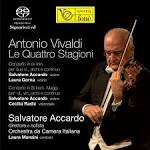 1981Le Quattro Stagioni