

The Four Seasons: the next chapter for Antonio Vivaldi
The Four Seasons- Album Overview
"The Four Seasons" is a set of four violin concertos by the Baroque composer Antonio Vivaldi, written in 1723 and published in 1725 as part of a larger collection titled "Il cimento dell'armonia e dell'inventione." Each concerto is named after a season and is a vivid expression of the changing moods of nature throughout the year, making it one of the most celebrated works in classical music. The concertos are titled "Spring," "Summer," "Autumn," and "Winter," each depicting the beauty and character of its respective season through intricate musical themes and vivid imagery.
The album has been recorded numerous times, with various artists interpreting Vivaldi's masterful compositions. Notable recordings include those by renowned violinists such as Itzhak Perlman and Anne-Sophie Mutter, among others. The music is characterized by its energetic rhythms, vibrant melodies, and innovative use of the violin, showcasing Vivaldi's exceptional skill as both a composer and performer.
Vivaldi's "The Four Seasons" has transcended its era, becoming a staple in the classical repertoire and influencing a range of genres from jazz to pop. The work's cultural significance is immense; it has been featured in films, commercials, and countless performances worldwide, making it a touchstone for both classical enthusiasts and casual listeners alike. The album continues to inspire new interpretations and arrangements, reaffirming its timeless appeal and Vivaldi's lasting legacy as a pioneer of programmatic music.
Review
"The Four Seasons" showcases the brilliance of Vivaldi's compositional style, blending technical prowess with emotional depth. Each concerto offers a unique exploration of its season, with "Spring" introducing a joyful and buoyant atmosphere, while "Winter" evokes a sense of stark beauty and chill. The interplay between the solo violin and the orchestra creates a dynamic soundscape, drawing listeners into the vivid imagery of nature's cycles.
The album's structure allows for a rich narrative, with each movement painting a picture that is both detailed and evocative. Vivaldi’s ability to capture the essence of each season through music is unparalleled, and his use of motifs and contrasts keeps the listener engaged throughout. The virtuosic demands placed on the violinist are substantial, yet the music remains accessible and relatable, a testament to Vivaldi's genius.
Highlights
- The vibrant and evocative melodies that perfectly capture the essence of each season.
- The technical brilliance required from the solo violin, showcasing Vivaldi's mastery of the instrument.
- The work's enduring popularity and its influence across various musical genres and cultures.
Weak points
- The sheer volume of recordings may lead to listener fatigue or difficulty in identifying standout versions.
- Some interpretations may stray too far from Vivaldi's original intent, risking the loss of the work's authenticity.
- Modern arrangements can sometimes overshadow the Baroque essence of the original compositions.
Overall evaluation
Vivaldi's "The Four Seasons" remains a monumental work in the classical canon, demonstrating the composer’s innovative spirit and profound connection to the natural world. Its ability to resonate across centuries speaks to its timeless artistry and emotional depth.
Personal rating: 9/10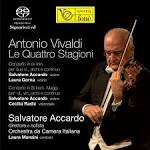 1981Le Quattro Stagioni