

Antonio Vivaldi – The Four Seasons: a sonic journey
The Four Seasons- Album Overview
Antonio Vivaldi's "The Four Seasons," composed in 1723, is a set of four violin concertos that evoke the moods and atmospheres associated with each season of the year. Released as part of a larger work titled "Il cimento dell'armonia e dell'inventione," this iconic collection was first published in 1725 by the Amsterdam publisher Estienne Roger. Each concerto is accompanied by a sonnet, believed to have been written by Vivaldi himself, which serves as a poetic guide to the music.
The work showcases Vivaldi's innovative approach to the Baroque style, characterized by its vivid imagery and dramatic contrasts. The first concerto, "Spring," bursts forth with joyous melodies, while "Summer" captures the intense heat and thunderstorms of the season. "Autumn" celebrates the harvest with a festive, dance-like quality, and "Winter" resonates with chilling winds and the warmth of a cozy fire. The recording of "The Four Seasons" has been revisited countless times by various orchestras and soloists, with significant interpretations by famous violinists such as Itzhak Perlman and Anne-Sophie Mutter.
Vivaldi's work has had a profound impact on classical music and popular culture, influencing countless composers and appearing in films, commercials, and contemporary performances. The timelessness of "The Four Seasons" continues to resonate with audiences, making it one of the most performed and recorded works in classical music history.
Review
Vivaldi's "The Four Seasons" is a masterful exploration of human emotion and the natural world, encapsulated within the constraints of the Baroque concerto form. The work's intricate violin passages and dynamic orchestral backing create a rich tapestry of sound that transports listeners through the changing seasons. Each concerto is characterized by its distinctive motifs and rhythmic patterns, allowing the violin to shine in its role as both a storyteller and an emotional conduit.
The technical prowess required to perform these concertos is immense, and Vivaldi's compositions challenge even the most skilled musicians. The use of dissonance and unexpected harmonic shifts heightens the drama and keeps the listener engaged. Vivaldi's ability to blend lyrical beauty with virtuosic demands is a testament to his genius, making "The Four Seasons" not only an auditory delight but also a profound artistic achievement.
Highlights
- Vivid musical imagery that perfectly captures the essence of each season.
- Innovative structure and use of sonnets to enhance the listening experience.
- Timeless appeal that resonates across generations and cultures.
Weak points
- Some interpretations may feel overly embellished or lack the original's raw energy.
- The repetitive nature of the thematic material may not appeal to all listeners.
- Modern recordings may overshadow the historical context and authenticity of the original performance style.
Overall evaluation
"The Four Seasons" remains a cornerstone of classical music, showcasing Vivaldi's extraordinary talent and vision. Its ability to evoke emotional responses through music is unparalleled, making it a vital piece for both classical aficionados and casual listeners alike.
Personal rating: 9/10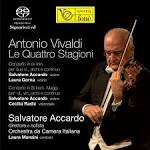 1981Le Quattro Stagioni