

The Four Seasons: discovering Antonio Vivaldi's artistry
The Four Seasons- Album Overview
"The Four Seasons," composed by Antonio Vivaldi in 1723, is a set of four violin concertos, each representing a different season of the year. This masterwork is part of Vivaldi's larger collection titled "Il cimento dell'armonia e dell'inventione" (The Contest Between Harmony and Invention) and is one of the earliest examples of program music, where music is intended to evoke specific images or narratives. The concertos are titled "Spring," "Summer," "Autumn," and "Winter," each accompanied by sonnets believed to have been written by Vivaldi himself, enhancing the evocative nature of the compositions.
The work was published in Amsterdam by Estienne Roger in 1725 and has since been recorded and performed countless times, making it one of the most recognizable pieces of classical music. Vivaldi's innovative use of the violin, intricate melodies, and dynamic contrasts have influenced countless composers and musicians throughout history.
Various recordings of "The Four Seasons" have been released across many labels, with notable versions featuring renowned violinists such as Itzhak Perlman and Anne-Sophie Mutter. The piece's cultural significance cannot be overstated; it has permeated popular culture, being featured in films, commercials, and even modern interpretations in various genres. "The Four Seasons" continues to resonate with audiences worldwide, showcasing Vivaldi's extraordinary artistry and contributing significantly to the Baroque music repertoire.
Review
The sound of "The Four Seasons" is a vivid tapestry of emotions and imagery, achieved through Vivaldi's clever orchestration and the virtuosic demands placed on the solo violin. Each concerto encapsulates the essence of its respective season with remarkable clarity; "Spring" bursts forth with joy and renewal, while "Winter" is a haunting exploration of the chill and desolation of the cold months. The dynamic contrasts throughout the concertos—from the serene passages to the tempestuous storms—showcase Vivaldi's prowess as a composer.
While the work lacks lyrics, the sonnets interspersed with the music serve to guide the listener's imagination, creating a rich narrative experience. Vivaldi's artistic vision is firmly rooted in the natural world, and through his music, he invites us to experience the changing seasons not just as time passing, but as a vibrant emotional journey.
Highlights
- Innovative orchestration that vividly represents each season.
- Virtuosic violin passages that showcase the skill of the performer.
- Enduring cultural impact, remaining relevant across centuries.
Weak points
- The familiarity of the piece may lead to a lack of freshness for some listeners.
- Occasional over-reliance on repetitive motifs throughout the concertos.
- Some interpretations may stray too far from Vivaldi's original intent, diluting the authenticity.
Overall evaluation
"The Four Seasons" remains a breathtaking achievement in classical music, showcasing Vivaldi's exceptional talent and innovative spirit. Its ability to evoke vivid imagery and emotions continues to resonate with audiences today. A timeless masterpiece, it stands as a testament to the power of music to connect us with nature and experience.
Personal rating: 9/10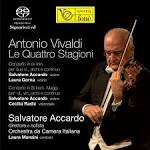 1981Le Quattro Stagioni