

Trois Concertos: what Antonio Vivaldi wants you to feel
Trois Concertos- Album Overview
"Trois Concertos," a collection of works by the Baroque master Antonio Vivaldi, showcases the composer’s innovative approach to instrumental music. Released in 1725 as part of his larger body of work, this album features some of Vivaldi's most iconic concertos, including the renowned "Concerto in G Major, RV 310" and "Concerto in D Major, RV 207." Vivaldi, known for his vivid use of melody and rich orchestration, captures a range of emotions from exuberance to serenity, epitomizing the Baroque style.
The album is produced by a variety of orchestras and ensembles over the years, with notable recordings from labels such as Deutsche Grammophon and Sony Classical. Artists such as violinist Itzhak Perlman and conductor Antonio Pappano have contributed to the legacy of these concertos through their interpretations, bringing fresh perspectives while respecting Vivaldi's original compositions. The recording sessions typically emphasize the intricate interplay between strings and continuo, a hallmark of Vivaldi’s music.
The "Trois Concertos" album not only serves as a testament to Vivaldi's genius but also highlights the cultural significance of his work during the Baroque period, influencing countless composers and musicians who followed. Vivaldi’s ability to evoke specific feelings through music, often linked to the seasons or emotional states, makes this album a profound exploration of human experience through sound. His influence can be heard in the works of later composers such as Johann Sebastian Bach, who admired and transcribed Vivaldi's concertos.
Review
The sound of "Trois Concertos" is both vibrant and dynamic, a perfect representation of Vivaldi's ability to blend rhythmic vitality with lyrical beauty. Each concerto encapsulates a distinct emotional narrative, inviting listeners to experience everything from the thrill of a storm to the calm of a peaceful afternoon. The orchestration is rich yet transparent, allowing the intricate melodies to shine through. Vivaldi's use of contrasting dynamics and tempo changes keeps the listener engaged, while the solo violin passages showcase the technical prowess required to perform these pieces. The artistry of the musicians is palpable, as they navigate Vivaldi's intricate scores with both precision and passion.
Vivaldi’s artistic vision is clearly illustrated in his ability to evoke specific feelings through musical motifs. For instance, the lively "Allegro" of the "Concerto in G Major" captures the essence of joy and celebration, while the "Largo" movements offer a reflective counterpoint. The emotional depth of these works continues to resonate with audiences today, proving that music is a timeless medium for expressing the human condition.
Highlights
- Vibrant orchestration that highlights Vivaldi's genius.
- Emotional depth and narrative quality in each concerto.
- Technical prowess of soloists, particularly in violin passages.
Weak points
- Some might find the style repetitive over multiple listens.
- Occasional overemphasis on technicality may overshadow emotional connection.
- Limited variety in tempo and mood in certain concertos.
Overall evaluation
"Trois Concertos" stands as a testament to Vivaldi's enduring legacy and his ability to evoke a spectrum of emotions through music. While it may not cater to every listener's taste, its artistic merit and historical significance are undeniable. This album is a must-listen for anyone interested in the Baroque era and the rich tapestry of classical music.
Personal rating: 8/10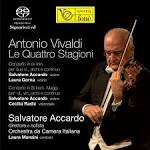 1981Le Quattro Stagioni