ALBUM NOTESHow Antonio Vivaldi shaped the sound of Four Violin Concertos
Four Violin Concertos- Album Overview
Antonio Vivaldi's "Four Violin Concertos," released in 1725 as part of his renowned collection "Il cimento dell'armonia e dell'inventione," exemplifies the Baroque era's innovative spirit and Vivaldi's unique compositional style. This collection includes the famous concertos "La primavera" (Spring), "L'estate" (Summer), "L'autunno" (Autumn), and "L'inverno" (Winter), each masterfully capturing the essence of the seasons through music. These concertos, characterized by their vibrant melodies and intricate harmonies, reflect Vivaldi's deep understanding of both the violin and the emotional landscapes of nature.
The album was released under various labels over the years, with notable recordings appearing on Deutsche Grammophon and others. Vivaldi, known as the "Red Priest," composed these works during his time at the Ospedale della Pietà in Venice, where he was a violin teacher and conductor. His collaborations with skilled musicians, including the talented violinists of the Pietà, helped refine the concertos into masterpieces.
These works not only showcase Vivaldi's exceptional flair for melody but also demonstrate his innovative use of ritornello form, which would influence generations of composers. The "Four Violin Concertos" are significant in the classical canon, often regarded as foundational pieces that paved the way for the development of the concerto form in Western music.
The timeless appeal of these concertos, with their vivid imagery and emotional depth, continues to resonate with audiences today, making them staples in concert repertoires around the world.
Review
Vivaldi's "Four Violin Concertos" is a brilliant showcase of his virtuosity and inventive spirit. Each concerto introduces a unique sound palette, with "La primavera" bursting with life and energy, while "L'inverno" envelops the listener in a chilling atmosphere. The contrasts between the concertos highlight Vivaldi's ability to evoke the characteristics of each season not only through thematic material but also through dynamic contrasts and orchestration.
The interplay between the solo violin and the accompanying string ensemble is nothing short of masterful. Vivaldi's use of dialogue between the soloist and the ensemble creates a lively and engaging listening experience. The rhythmic drive and melodic inventiveness are hallmarks of Vivaldi's style, making these concertos both accessible and richly layered.
While there are no lyrics in instrumental music, the emotional narrative and vivid imagery present in each concerto serve as a form of storytelling, capturing the essence of the seasons in a way that transcends language. Vivaldi's artistic vision is clear; he aims to connect the listener with nature, evoking feelings of joy, nostalgia, and contemplation through sound.
Highlights
- Exceptional use of the violin, showcasing technical brilliance and emotional depth.
- Innovative orchestration and dynamic contrasts that enhance the listening experience.
- Timeless appeal, with each concerto vividly depicting the essence of its respective season.
Weak points
- Some may find the repetitive structure of ritornello form predictable over multiple listens.
- Occasional moments of over-exuberance may overshadow subtle intricacies.
- The lack of vocal elements might deter listeners looking for lyrical content.
Overall evaluation
Vivaldi's "Four Violin Concertos" stands as a testament to his genius and the Baroque period's rich musical heritage. The album captures the essence of nature's seasons, combining technical skill with emotional resonance. It remains a cornerstone of classical music, inspiring countless interpretations and performances.
Personal rating: 9/10


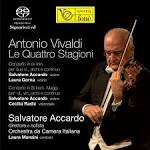 1981Le Quattro Stagioni