
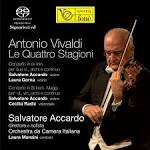
Inside the atmosphere of Antonio Vivaldi's Le Quattro Stagioni
Le Quattro Stagioni- Album Overview
Antonio Vivaldi's "Le Quattro Stagioni" (The Four Seasons) is one of the most recognized and celebrated pieces of classical music, composed in 1723 and published in 1725 as part of a set of violin concertos. The work is structured into four concertos, each representing a season: Spring, Summer, Autumn, and Winter. It was released under the label of Amsterdam's Artaria, which helped to distribute Vivaldi’s music widely throughout Europe.
The concertos are accompanied by sonnets, which Vivaldi himself may have written, vividly illustrating the imagery and moods of each season. The pieces are characterized by their dynamic contrasts and distinctive motifs, which have led to their enduring popularity. Each concerto showcases Vivaldi's innovative use of the violin, with intricate passages and lively rhythms that evoke the essence of the respective seasons.
Over the years, "Le Quattro Stagioni" has undergone numerous recordings and interpretations, with various artists bringing their unique perspectives to the work. Iconic performances include those by violinists such as Itzhak Perlman and Anne-Sophie Mutter, who have both contributed to the album's legacy. Its cultural significance is immense, often being referenced in popular media and frequently performed in concert halls around the world, making it a staple of classical repertoire.
Review
"Le Quattro Stagioni" transcends mere auditory experience to create a vivid narrative through sound. Vivaldi’s masterful orchestration allows listeners to feel the transition from the gentle blooms of spring to the harsh chill of winter. Each concerto is a vivid portrait; for instance, the 'Summer' concerto captures the oppressive heat and impending thunderstorms through its dramatic dynamics and swift tempo changes. Vivaldi’s use of contrasting themes and virtuosic passages challenges performers while keeping audiences enraptured. The music is alive with imagery, making it an essential exploration of the Baroque era's artistic vision, where nature and emotion intertwine seamlessly.
Highlights
- Innovative use of instrumentation and dynamics, showcasing Vivaldi's mastery of the violin.
- Rich emotional narrative that captures the essence of each season beautifully.
- Significant impact on both classical music and popular culture, ensuring its timelessness.
Weak points
- Some interpretations may stray too far from Vivaldi's original intent, losing the piece's intended simplicity.
- Overexposure in popular media may detract from its classical significance for some listeners.
- The sonnets, while evocative, may not resonate with all audiences, potentially overshadowing the music itself.
Overall evaluation
Vivaldi’s "Le Quattro Stagioni" remains a cornerstone of classical music, demonstrating the composer’s innovative spirit and emotional depth. Its ability to evoke imagery and feelings through sound continues to captivate audiences centuries after its creation.
Personal rating: 9/10 1986Chamber Music With Wind Instruments