

Antonio Vivaldi experiments boldly on The Four Seasons
The Four Seasons- Album Overview
Antonio Vivaldi's "The Four Seasons," composed in 1723 and published in 1725, is one of the most celebrated and recognizable works in classical music. This set of four violin concertos, each representing a different season of the year, is part of Vivaldi's larger work titled "Il cimento dell'armonia e dell'inventione" (The Contest between Harmony and Invention). The concertos are structured in a three-movement format, showcasing Vivaldi's unique ability to combine vivid imagery with musical innovation. The first concerto, "Spring," evokes the joy of renewal, while "Summer" captures the intensity of heat, "Autumn" celebrates the harvest, and "Winter" depicts the stark beauty of cold. Vivaldi's innovative use of form and structure was groundbreaking for his time, effectively blending programmatic elements with virtuosic instrumentation. The concertos are characterized by their energetic rhythms, dynamic contrasts, and expressive melodies, which have influenced countless composers and musicians throughout history. The work was published by the Amsterdam-based Estienne Roger and has been performed by numerous orchestras and soloists, solidifying its place in the classical canon. Various interpretations of "The Four Seasons" have emerged over the centuries, with notable recordings by artists such as Itzhak Perlman and Anne-Sophie Mutter, each adding their unique touch to Vivaldi’s timeless pieces.
Review
The sound of Vivaldi's "The Four Seasons" is a brilliant tapestry of baroque orchestration, showcasing the virtuosic capabilities of the solo violin against a backdrop of strings and continuo. Each concerto tells a vivid story, allowing the listener to journey through the seasons with striking clarity. The intricate interplay between the soloist and the orchestra is masterfully executed, creating a dialogue that is both energetic and emotive. Vivaldi's artistic vision is evident in his ability to evoke the essence of each season, making the music not only a technical exhibition but also an emotional experience. While "The Four Seasons" does not feature lyrics, the evocative nature of the music itself conveys a narrative, painting scenes that are relatable to audiences of all ages. Vivaldi's inventive use of harmony and texture helps to accentuate the emotional depth of each movement, ensuring that the listener is fully immersed in the experience. The work's enduring popularity can be attributed to its ability to resonate across cultures and generations, transcending the boundaries of classical music.
Highlights
- The vivid storytelling through instrumental music, capturing the essence of each season.
- Innovative use of violin techniques that showcase virtuosity and emotional expression.
- The seamless blend of baroque orchestration and melodic inventiveness.
Weak points
- Some interpretations may lack the emotional depth intended by Vivaldi.
- The popularity of certain movements can overshadow lesser-known works in the collection.
- Modern renditions may stray too far from the original baroque style.
Overall evaluation
Antonio Vivaldi's "The Four Seasons" remains a monumental achievement in classical music, blending technical brilliance with emotive storytelling. Its influence is evident in both classical and contemporary music, making it a timeless masterpiece that continues to inspire. The album's ability to connect with listeners on a personal level cements its status as a vital piece of music history.
Personal rating: 9/10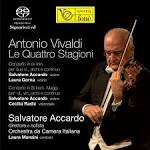 1981Le Quattro Stagioni