ALBUM NOTESWhy Antonio Vivaldi's Die Vier Jahreszeiten matters
Die Vier Jahreszeiten- Album Overview
Antonio Vivaldi's "Die Vier Jahreszeiten," known as "The Four Seasons," is a set of four violin concertos, composed in 1723, which has become one of the most recognizable pieces of classical music. The concertos, each representing a season of the year, were published as part of a larger collection titled "Il cimento dell'armonia e dell'inventione" (The Contest between Harmony and Invention) by the Amsterdam-based publisher Estienne Roger in 1725. The concertos are titled "Spring," "Summer," "Autumn," and "Winter," and they are each accompanied by a sonnet, possibly written by Vivaldi himself, which enhances the narrative quality of the music.
The recording of "Die Vier Jahreszeiten" has seen numerous interpretations since its inception, with various artists and orchestras bringing their own style to Vivaldi's work. The most notable recordings include those by conductor Antonio Janigro and violinist Itzhak Perlman, who helped popularize the piece in the 20th century. The album's rich textures, dynamic contrasts, and vivid imagery transformed the concerto into a staple of the Baroque repertoire. Its cultural significance cannot be overstated—it has transcended its classical roots, influencing genres from rock to pop and even contemporary film scores, thus cementing Vivaldi's legacy in the annals of music history.
Review
Vivaldi's "Die Vier Jahreszeiten" is a brilliant showcase of Baroque music, characterized by its lively rhythms and vivid tonal colors. Each concerto immerses the listener in the essence of its respective season, utilizing innovative techniques such as rapid tempo changes and intricate violin passages that evoke the sounds of nature. The first movement of "Spring," for instance, bursts forth with joy and exuberance, while "Winter" employs stark contrasts to convey a sense of chill and introspection. The dynamic interplay between the solo violin and the accompanying strings creates a dialogue that is both engaging and expressive.
The absence of lyrics in this instrumental work allows listeners to interpret the music personally, making it a unique experience for each audience member. Vivaldi’s artistic vision was to paint a picture through sound, using the violin to mimic the chirping of birds or the rustling of leaves, and he succeeds magnificently. While the work may not contain the complexity found in later Romantic compositions, its innovative spirit and emotional depth set a benchmark for future generations of composers.
Highlights
- The vivid imagery and storytelling through instrumental music.
- Innovative use of the violin, showcasing technical brilliance.
- The ability to evoke emotional responses and connect with listeners across genres.
Weak points
- Some may find the Baroque style dated compared to contemporary compositions.
- Repetition in themes can lead to predictability for modern listeners.
- The lack of vocal elements might deter those who prefer lyrical content.
Overall evaluation
Vivaldi's "Die Vier Jahreszeiten" remains a timeless masterpiece that continues to resonate with audiences today. Its groundbreaking approach to instrumental storytelling and its captivating melodies ensure its place in the classical canon.
Personal rating: 9/10


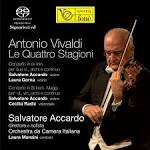 1981Le Quattro Stagioni