ALBUM NOTESInside The Four Seasons by Antonio Vivaldi
The Four Seasons- Album Overview
The Four Seasons, composed by Antonio Vivaldi in 1723, is undoubtedly one of the most celebrated pieces of classical music, representing a masterful blend of music and nature. The composition is part of a larger work titled "Il cimento dell'armonia e dell'inventione" (The Contest between Harmony and Invention), published by the Venetian publisher Estienne Roger. This collection, released in 1725, features four violin concertos, each representing a season of the year: Spring, Summer, Autumn, and Winter.
Vivaldi, a virtuoso violinist himself, employed vivid imagery in each concerto, painting aural landscapes that evoke the associated feelings and imagery of each season. The Four Seasons was groundbreaking for its use of programmatic music, where the score is intended to evoke specific ideas or themes. Vivaldi's innovative techniques, such as the use of ritornello form and the integration of descriptive sonorities, have had a lasting impact on both the Baroque period and subsequent generations of composers.
This work has been recorded numerous times, with prominent interpretations by orchestras and violinists such as Itzhak Perlman and the Academy of St Martin in the Fields. Its influence extends beyond classical music, permeating popular culture, film scores, and advertising. The album has seen various releases over the years, with interpretations that strive to capture Vivaldi's original intent while also exploring new artistic interpretations.
The Four Seasons captures the essence of Baroque music and remains a staple in the repertoire of classical musicians, resonating with audiences around the world for its emotional depth and technical brilliance.
Review
Vivaldi's The Four Seasons is a compelling auditory journey that transports listeners through the cyclical changes of nature. Each concerto is characterized by distinct musical motifs and variations that reflect the essence of the corresponding season. The jubilant energy of "Spring" opens with a vibrant soundscape that evokes the renewal of life and the joy of blossoming flowers. In contrast, "Summer" paints a portrait of sweltering heat, complete with stormy outbursts that are both thrilling and evocative.
The artistry in Vivaldi's compositions lies not only in their technical demands but also in the emotional narratives they convey. "Autumn," with its celebratory harvest dance, invites listeners to partake in the festivities, while “Winter” chills the listener with its icy textures and vivid imagery of falling snow. The interplay between the solo violin and the orchestra creates a dialogue that is both dramatic and intimate, allowing for a dynamic expression of the seasons' contrasts.
While The Four Seasons is often celebrated for its technical brilliance, it is Vivaldi's ability to infuse each movement with a sense of storytelling that elevates the work to extraordinary heights. The compositions are not merely exercises in form; they resonate with universal themes of change and continuity, making them timeless in appeal.
Highlights
- Masterful orchestration that evokes vivid imagery of each season.
- Innovative use of programmatic music that tells a story through sound.
- Technical brilliance of the violin solos that showcase Vivaldi's virtuosity.
Weak points
- Overexposure in popular culture may detract from its original impact.
- Some modern interpretations may stray too far from Vivaldi's intentions.
- Occasional reliance on predictable musical patterns in the structure.
Overall evaluation
The Four Seasons remains a cornerstone of classical music, revered for its innovative composition and emotional depth. Vivaldi's ability to capture the essence of nature through music is unparalleled, making this album a timeless classic that continues to inspire and engage listeners across generations.
Personal rating: 9/10


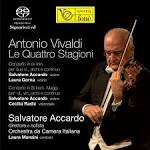 1981Le Quattro Stagioni