ALBUM NOTESUnpacking Antonio Vivaldi's The Four Seasons
The Four Seasons- Album Overview
Antonio Vivaldi's "The Four Seasons," composed in 1723, is a set of four violin concertos that is among the most famous and celebrated works in the classical music canon. Originally published in 1725 as part of a larger work titled "Il cimento dell'armonia e dell'invenzione," this collection showcases Vivaldi's innovative use of the violin and his ability to evoke the changing seasons through music. The pieces are titled "Spring," "Summer," "Autumn," and "Winter," each depicting the moods and characteristics associated with each season. The album was released under various labels over the years, with notable recordings appearing on Deutsche Grammophon, Decca, and many others.
Vivaldi's work is often credited with laying the groundwork for the concerto form that would flourish in the Classical and Romantic eras. The concertos are scored for a solo violin, string orchestra, and continuo, with each piece encapsulating a distinct narrative, supported by sonnets that Vivaldi himself penned, which describe the scenes and emotions tied to the seasons. The recording techniques have evolved significantly, allowing modern audiences to experience the brilliance of Vivaldi's orchestration with clarity and precision.
"The Four Seasons" has inspired countless arrangements and adaptations across genres, from classical interpretations to modern pop and jazz renditions. The rich textures and vibrant imagery in Vivaldi's music have made it a foundational piece for violinists and orchestras worldwide. Its cultural significance continues to resonate, as it not only reflects the Baroque aesthetics of Vivaldi's time but also transcends its era, remaining a staple in concert repertoires and popular media.
Review
Vivaldi's "The Four Seasons" stands as a monumental achievement in the realm of classical music, characterized by its dynamic contrasts and vivid thematic material. The album's sound is vibrant and intricate, showcasing Vivaldi's masterful command of the violin. Each concerto bursts with energy, from the lively allegros of "Spring" to the melancholic strains of "Winter." The use of ritornello form, where the main theme returns throughout the piece, creates a sense of familiarity and anticipation that captivates the listener.
The artistic vision behind "The Four Seasons" is not merely to represent the seasons but to evoke the feelings and imagery each one brings. Vivaldi’s ability to translate the essence of nature into music is commendable; for instance, "Summer" is filled with the languor of heat and the fury of a summer storm, while "Autumn" celebrates the harvest with joyous dances. The lack of lyrics in these instrumental pieces does not detract from their emotive power; instead, it allows the listener to engage with the music on a personal level, interpreting the sounds as they resonate with their own experiences of the seasons.
Highlights
- The vibrant and expressive violin solos that showcase technical prowess and emotional depth.
- The innovative orchestration that brings forth vivid imagery and storytelling.
- The timeless appeal that continues to inspire musicians and composers across various genres.
Weak points
- The occasional predictability in structure may not engage all listeners.
- Some recordings can lack the warmth and authenticity found in live performances.
- Overexposure in popular culture may diminish its impact for some audiences.
Overall evaluation
Vivaldi's "The Four Seasons" remains a cornerstone of classical music, brilliantly capturing the essence of nature through its intricate compositions. Its blend of technical virtuosity and emotional storytelling continues to resonate with audiences worldwide.
Personal rating: 9/10


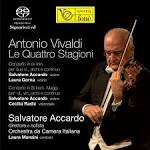 1981Le Quattro Stagioni