ALBUM NOTESLa Cetra: Twelve Concerti, Opus Ix: the next chapter for Antonio Vivaldi
La Cetra: Twelve Concerti, Opus Ix- Album Overview
Antonio Vivaldi's "La Cetra: Twelve Concerti, Opus Ix" was composed in 1727 and is one of the pivotal works in his oeuvre, capturing the essence of the Baroque concerto form. Released by the Deutsche Grammophon label, this album features a collection of twelve concertos that showcase Vivaldi’s innovative approach to instrumental music, characterized by vivid imagery and emotional depth. The album is performed by renowned ensembles, including the Venice Baroque Orchestra, known for their authentic interpretations of Vivaldi's works.
The recording took place in Italy, where the rich heritage of Vivaldi's music is deeply rooted. Collaborations with distinguished soloists, including violinists and cellists, breathe new life into these compositions, emphasizing the dialogue between the solo instruments and the orchestra. Each concerto is a unique journey, often depicting natural themes or emotions, reflecting Vivaldi’s connection to the world around him. The album features a variety of movements, from the lively and spirited to the serene and contemplative, illustrating Vivaldi's ability to evoke a wide range of feelings through music.
Culturally, "La Cetra" is significant as it highlights Vivaldi's mastery over the concerto form, influencing generations of composers. The work reveals the evolution of the Baroque style, emphasizing contrast and virtuosic display, and it remains a staple in concert repertoires around the globe. As a landmark in Baroque music, "La Cetra" continues to resonate with audiences, showcasing Vivaldi’s enduring legacy and the timeless appeal of his compositions.
Review
The sound of "La Cetra: Twelve Concerti, Opus Ix" is a vibrant tapestry woven with intricate melodies and complex harmonies. Vivaldi’s ability to create contrasting sections within each concerto invites the listener on an emotional rollercoaster, from joyous exuberance to reflective introspection. The performances are marked by technical flair, with soloists demonstrating remarkable skill and expressiveness, particularly in the faster movements that showcase Vivaldi's penchant for virtuosic display.
The artistic vision behind this album is rooted in a deep respect for Vivaldi’s original intentions while also embracing modern performance practices. The orchestral textures are rich yet transparent, allowing the intricate interplay between soloists and the ensemble to shine through. The balance between the various instruments is meticulously crafted, enhancing the clarity of Vivaldi's intricate counterpoint.
While instrumental music lacks lyrics, the emotional narratives conveyed through the music speak volumes. Each concerto tells a story, often reflecting themes of nature, human emotion, and the passage of time, which is a testament to Vivaldi's genius. The album is a celebration of Baroque artistry, and it serves as a fitting tribute to one of music history’s most influential composers.
Highlights
- Exceptional performances by leading soloists that breathe life into Vivaldi's intricate compositions.
- Rich orchestral textures and a well-balanced mix that enhance the listening experience.
- Emotional depth and vivid imagery in each concerto, showcasing Vivaldi's narrative prowess.
Weak points
- Some may find the style repetitive, as Vivaldi often employs similar structures across different concertos.
- Listeners unfamiliar with Baroque music might need time to appreciate the nuances of the compositions.
- The extensive length of the album may feel overwhelming for casual listeners.
Overall evaluation
"La Cetra: Twelve Concerti, Opus Ix" stands as a testament to Antonio Vivaldi's enduring legacy, showcasing his mastery of the concerto form with remarkable clarity and emotional depth. This album is a must-listen for Baroque enthusiasts and a valuable addition to the classical music repertoire.
Personal rating: 9/10


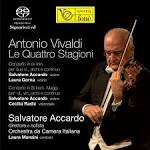 1981Le Quattro Stagioni