ALBUM NOTESUnpacking Antonio Vivaldi's The Four Seasons
??????? ????- Album Overview
Antonio Vivaldi's "The Four Seasons," composed in 1723 and published in 1725, is one of the most celebrated works in the classical music repertoire. This set of four violin concertos, each representing a different season of the year, is a masterclass in baroque music and showcases Vivaldi's innovative approach to form and structure. The album was released under various labels, with many modern recordings available, including those by Deutsche Grammophon and Virgin Classics.
Vivaldi composed "The Four Seasons" as part of a larger set of twelve concertos titled "Il cimento dell'armonia e dell'inventione" (The Contest Between Harmony and Invention). The concertos are accompanied by sonnets that describe the scenes depicted in each piece, which was a novel idea at the time. The first concerto, "Spring," is known for its lively melodies and optimistic themes, while "Summer" captures the heat and storms of the season. "Autumn" evokes imagery of harvest and celebration, and "Winter" reflects the stark beauty and chill of the cold months.
Throughout the years, "The Four Seasons" has inspired countless interpretations and arrangements, and it has become a staple in both concert halls and popular culture, appearing in films, commercials, and even modern pop music. Notably, the work features an array of collaborators, including various orchestras and soloists who have brought their unique interpretations to Vivaldi's timeless compositions. The album continues to resonate not only for its musical brilliance but also for its vivid depiction of nature, making it a significant cultural artifact of the baroque era.
Review
Vivaldi’s "The Four Seasons" is a breathtaking exploration of the interplay between music and nature. Each concerto vividly captures the essence of its respective season through intricate violin passages and dynamic orchestral support. The sound is characterized by bright, energetic strings and rhythmic vigor, which effectively portray the changing moods of the seasons.
The First concerto, "Spring," bursts forth with exuberance, utilizing rapid arpeggios and bright harmonies that evoke the feeling of renewal. In contrast, "Winter" presents a stark, icy atmosphere with its haunting melodies and sharp contrasts between the quiet and stormy passages. Vivaldi's artistic vision transcends the mere technical prowess of the violin; he imbues each piece with emotion and narrative, allowing listeners to experience the seasons viscerally.
The interplay between the solo violin and the accompanying ensemble creates a rich tapestry of sound, making each concerto a unique experience. The sonnets that accompany the music deepen the connection between the auditory and the visual, providing a poetic framework that enhances the listening experience. Vivaldi's ability to paint vivid images through music remains unparalleled, solidifying the work's status as a cornerstone of classical music.
Highlights
- Masterful composition that captures the essence of each season.
- Innovative use of sonnets to enhance the musical narrative.
- Timeless appeal that resonates with both classical enthusiasts and casual listeners.
Weak points
- The repetitive use of motifs may feel predictable for some listeners over time.
- Modern interpretations can sometimes stray too far from the original baroque style.
- Overexposure in popular culture may dilute its impact for some audiences.
Overall evaluation
Antonio Vivaldi's "The Four Seasons" remains a monumental work that continues to inspire and captivate audiences worldwide. Its unique combination of technical brilliance and emotional depth ensures its place in the pantheon of classical music.
Personal rating: 9/10


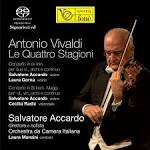 1981Le Quattro Stagioni