ALBUM NOTESAlbum spotlight: Antonio Vivaldi – The Four Seasons
The Four Seasons- Album Overview
The Four Seasons, composed by Antonio Vivaldi in 1723, is one of the most celebrated and recognizable works in classical music. Originally published as part of a collection titled "Il cimento dell'armonia e dell'inventione," the album consists of four violin concertos, each representing a different season of the year: Spring, Summer, Autumn, and Winter. The work showcases Vivaldi's innovative use of the violin and is characterized by its vivid imagery and dynamic contrasts that mirror the changing seasons.
The pieces are notable for their programmatic nature, with each concerto accompanied by a sonnet, possibly written by Vivaldi himself, that describes the seasonal characteristics. The Four Seasons was released under various labels over the centuries, with several recordings becoming benchmarks in classical music. Notably, the work has been recorded by numerous orchestras and artists, including famous interpretations by conductors like Herbert von Karajan and violinists such as Itzhak Perlman.
The work gained immense popularity during the 20th century, influencing various music genres and appearing in films, commercials, and even modern orchestral adaptations. Its structure showcases Vivaldi's mastery of baroque music, utilizing ritornello form and a rich tapestry of harmonic textures. The Four Seasons remains a staple in the repertoire of violinists and orchestras around the world, serving as an essential introduction to classical music for many listeners.
Review
Antonio Vivaldi's The Four Seasons is a remarkable showcase of baroque artistry, where each concerto captures the essence of its respective season with incredible clarity. The sound is vibrant and filled with energy, characterized by the virtuosic violin passages that demand both technical skill and emotional depth from the performer. The orchestrations, featuring strings and continuo, allow for a rich dialogue between the solo violin and the ensemble, enhancing the overall listening experience.
Vivaldi's artistic vision shines through in the way he employs musical motifs to evoke imagery; for instance, the chirping of birds in Spring or the ominous storms of Summer. The emotional landscape varies dramatically across the four concertos, ranging from the joyous and bright melodies of Spring to the somber and reflective themes of Winter. The music has a timeless quality, which continues to resonate with audiences today, making it both a historical masterpiece and a source of inspiration for contemporary artists.
Overall, The Four Seasons is not just a collection of concertos; it is an auditory journey through nature's cycles, expertly crafted by one of the baroque era's most influential composers.
Highlights
- Vivid musical imagery that captures the essence of each season.
- Virtuosic violin passages that showcase technical brilliance.
- Rich orchestration that enhances the emotional depth of the pieces.
Weak points
- Some listeners may find the baroque style less engaging compared to more modern compositions.
- Repetitive motifs may lead to a sense of predictability in certain sections.
- Overexposure through popular media may diminish its original impact for some audiences.
Overall evaluation
Antonio Vivaldi's The Four Seasons remains a monumental work in classical music, celebrated for its innovative structure and vivid representation of nature. Its ability to evoke emotion and imagery sets it apart as a timeless classic.
Personal rating: 9/10


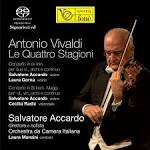 1981Le Quattro Stagioni