

Les Quatre Saisons: what Antonio Vivaldi wants you to feel
Les Quatre Saisons- Album Overview
Antonio Vivaldi’s "Les Quatre Saisons" (The Four Seasons) is a set of violin concertos that was composed in 1723 and published in 1725 as part of a larger work, "Il cimento dell'armonia e dell'inventione" (The Contest Between Harmony and Invention). This masterpiece is one of the most recognized works in the classical music repertoire, encapsulating the essence of the seasons through vivid musical imagery. The album features four concertos: "Spring," "Summer," "Autumn," and "Winter," each depicting the unique characteristics and moods of the respective seasons.
Vivaldi’s innovative use of the violin showcases his virtuosic playing style and compositional prowess, effectively bringing to life the sounds of nature and human emotion. The concertos are accompanied by a string orchestra and continuo, highlighting the Baroque style that Vivaldi helped to popularize. The album was originally published in Venice by the prestigious Estienne Roger, and it has since been recorded by numerous artists and ensembles across the globe, under various labels.
Notable recordings include those by renowned violinists such as Itzhak Perlman, Anne-Sophie Mutter, and Joshua Bell, each bringing their unique interpretation to the work. The cultural significance of "Les Quatre Saisons" extends beyond the classical genre, influencing a wide array of musical styles and artists, and its themes have been referenced in popular culture, film, and literature. The work's evocative nature and emotional depth continue to resonate with audiences, making it a timeless classic that remains essential listening for both classical aficionados and newcomers alike.
Review
The sound of "Les Quatre Saisons" is a masterclass in Baroque orchestration, where each concerto uniquely encapsulates its seasonal theme. Vivaldi’s genius lies in his ability to translate visual imagery into sound; for instance, "Spring" bursts forth with jubilant melodies and energetic rhythms that evoke the joy of blooming flowers and singing birds. In contrast, "Winter" captures the biting cold and isolation through stark, icy motifs, creating a stark emotional landscape.
While there are no lyrics, Vivaldi’s use of musical language speaks volumes, allowing listeners to feel the warmth of summer storms or the rustling of autumn leaves. The artistic vision behind this work is a profound exploration of nature's cycles, reflecting the 18th-century Enlightenment ideals of observation and experience. The interplay between the solo violin and the orchestral backdrop creates a dialogue that enhances the emotional impact of each piece, making it a rich auditory experience.
Highlights
- Masterful violin performance that showcases Vivaldi's virtuosity.
- Evocative musical imagery that captures the essence of each season.
- Timeless relevance, influencing various musical genres and cultures.
Weak points
- Some interpretations may feel overly romanticized, straying from Vivaldi's original intent.
- The repetitiveness of certain motifs can feel predictable over multiple listens.
- Modern recordings may lack the historical authenticity of period instruments.
Overall evaluation
In conclusion, Antonio Vivaldi’s "Les Quatre Saisons" remains a cornerstone of classical music, celebrated for its emotional depth and innovative structure. It invites listeners on a journey through the seasons, leaving a lasting impact that transcends time and genre.
Personal rating: 9/10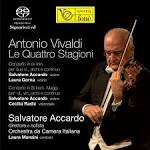 1981Le Quattro Stagioni