

Diving deep into The Four Seasons by Antonio Vivaldi
The Four Seasons- Album Overview
"The Four Seasons," composed by Antonio Vivaldi in 1723, is one of the most recognizable and celebrated pieces in classical music. This collection of four violin concertos, each representing a different season of the year, was published as part of a larger work titled "Il cimento dell'armonia e dell'inventione" (The Contest Between Harmony and Invention) in 1725. The concertos were released under the Venice-based publisher, Estienne Roger, and have since become a staple of the Baroque repertoire.
Each concerto is accompanied by a sonnet, likely penned by Vivaldi himself, that describes the scenes and emotions associated with each season. The pieces are characterized by their vivid imagery and innovative use of musical techniques, such as programmatic elements that evoke the sounds of nature, including birds, storms, and the warmth of the sun. Vivaldi's virtuosic writing for the violin allows for a dynamic range of expression, making each concerto a unique journey through the respective season.
The album has seen countless interpretations and recordings over the centuries, with notable performances by orchestras and soloists worldwide. Collaborators on various recordings include prominent conductors and musicians, such as Andrea Marcon and Gustavo Dudamel, showcasing the timeless appeal of Vivaldi's work. "The Four Seasons" has transcended its Baroque origins, influencing genres beyond classical music, including jazz and popular music, and continues to be a cultural touchstone in both concert halls and modern media.
Review
Vivaldi's "The Four Seasons" remains a masterclass in musical storytelling, weaving together rich textures and vibrant melodies that resonate with audiences of all ages. Each concerto transports listeners to a different time and place, capturing the essence of spring, summer, autumn, and winter with remarkable clarity. The use of string instruments creates a lively dialogue, particularly through the violin, which serves as both a lead voice and an emotive counterpart to the orchestral ensemble.
The first concerto, "Spring," bursts forth with joy and vitality, while "Summer" paints a more dramatic picture, complete with the tension of a brewing storm. "Autumn" celebrates the harvest with a festive dance, and "Winter" conveys a sense of chill and introspection. This contrast in moods and themes showcases Vivaldi's innovative approach to composition and his ability to evoke profound emotional responses through music.
However, the album's brilliance also lies in its accessibility. "The Four Seasons" has been embraced by audiences far beyond the classical realm, frequently appearing in films, commercials, and even contemporary arrangements, which speaks to its enduring legacy. Vivaldi's artistic vision is not only preserved in the notes but has also evolved, inspiring countless interpretations while remaining true to its Baroque roots.
Highlights
- Exceptional use of programmatic elements that vividly depict each season.
- Virtuosic violin passages that showcase technical prowess and emotional depth.
- Timeless appeal that transcends classical music, influencing various genres.
Weak points
- Some may find the structure repetitive after multiple listens.
- The historical context may be lost on modern listeners unfamiliar with Baroque music.
- Over-commercialization in media may detract from its artistic integrity.
Overall evaluation
"The Four Seasons" by Antonio Vivaldi is not just a collection of concertos; it is a timeless representation of nature's beauty and the emotional spectrum of human experience. With its intricate melodies and vivid storytelling, it continues to enchant listeners and musicians alike, solidifying its place as a cornerstone of classical music.
Personal rating: 9/10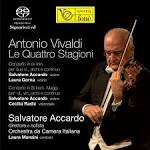 1981Le Quattro Stagioni