

Antonio Vivaldi – The Seasons, Op. 8: a sonic journey
The Seasons, Op. 8- Album Overview
Antonio Vivaldi's "The Seasons, Op. 8," originally composed in 1723, stands as one of the most beloved and recognizable works in the classical music repertoire. This collection of four violin concertos represents the seasonal changes, each corresponding to a different time of year: "Spring," "Summer," "Autumn," and "Winter." Vivaldi's innovative use of the violin, coupled with his mastery of rhythm and melody, creates vivid musical imagery that reflects the characteristics of each season.
The work was published in Amsterdam by Estienne Roger, and it quickly gained popularity, helping to establish Vivaldi's reputation across Europe. "The Seasons" was groundbreaking not only for its programmatic nature but also for its virtuosic demands on performers. Over the centuries, this opus has been recorded by numerous orchestras and soloists, with various interpretations reflecting the ever-evolving understanding of baroque performance practice.
The album has seen countless releases, with prominent recordings from artists such as Itzhak Perlman, Anne-Sophie Mutter, and the Academy of Ancient Music, among others. Each rendition brings a unique flavor to Vivaldi's timeless compositions. The cultural significance of "The Seasons" extends beyond classical music; it has influenced various genres, including jazz and contemporary music, and has been featured in films and advertisements, cementing its place in popular culture. The enduring legacy of Vivaldi’s genius resonates in this work, as it continues to inspire and engage audiences around the world.
Review
Vivaldi's "The Seasons" offers an exquisite sonic tapestry that masterfully captures the essence of nature through music. Each concerto is a vivid portrayal of the respective season, showcasing Vivaldi's unparalleled ability to translate the sounds of the environment into intricate musical phrases. The energetic and buoyant rhythms of "Spring" evoke images of blooming flowers and lively festivities, while "Summer" is marked by its languid melodies and stormy passages, reflecting the oppressive heat and sudden thunderstorms that characterize the season.
"Autumn" brings forth a celebratory atmosphere, with its dance-like rhythms and jubilant motifs that echo the harvest season, while "Winter" contrasts sharply with its stark, chilling themes. Vivaldi's use of dynamic contrasts, engaging harmonies, and contrasting textures creates a rich auditory experience that transports listeners through the cycle of the year. The artistic vision behind this work is not merely musical; it serves as a commentary on the beauty and transience of life itself, reminding us of the changing seasons both in nature and within ourselves.
Highlights
- Brilliantly captures the essence of each season through innovative musical techniques.
- Virtuosic demands on the violin create an engaging and dynamic listening experience.
- Rich cultural significance and enduring popularity across various music genres.
Weak points
- Some interpretations may overly romanticize the music, losing its baroque precision.
- The extensive number of recordings can lead to listener fatigue due to overwhelming choices.
- Occasional modern arrangements may detract from the original spirit of Vivaldi's compositions.
Overall evaluation
Antonio Vivaldi's "The Seasons, Op. 8" is a masterclass in musical storytelling that continues to captivate audiences with its emotional depth and technical brilliance. The work remains a cornerstone of classical music and a testament to Vivaldi's genius. With its rich history and profound impact on the music world, it is a must-listen for both classical aficionados and casual listeners alike.
Personal rating: 9/10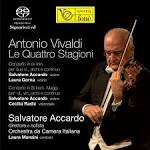 1981Le Quattro Stagioni