

Inside Die Vier Jaherszeiten by Antonio Vivaldi
Die Vier Jaherszeiten- Album Overview
“Die Vier Jaherszeiten,” or “The Four Seasons,” is a collection of four violin concertos composed by the Italian Baroque master Antonio Vivaldi, published in 1725. This seminal work, part of a larger collection titled "Il cimento dell'armonia e dell'inventione" Op. 8, is among the most celebrated pieces in classical music and has profoundly shaped the genre. Vivaldi's innovative use of the violin, along with his vivid musical storytelling, portrays the changing seasons with remarkable clarity and emotion.
The album is structured into four distinct concertos: “Spring,” “Summer,” “Autumn,” and “Winter,” each capturing the essence of the respective season through intricate melodies and dynamic contrasts. The first movement of “Spring” is perhaps the most recognizable, featuring bright, cheerful themes that evoke the blossoming of nature. The work was originally published by the Amsterdam-based Estienne Roger and has since been recorded and performed by countless artists, contributing significantly to Vivaldi’s enduring legacy.
The album's cultural significance cannot be overstated; it transcends the classical genre, influencing various music styles and even popular culture, appearing in films, commercials, and contemporary music. Vivaldi’s inventive approach to form and harmony has inspired generations of composers, and his ability to convey narrative through instrumental music has set a precedent in the Baroque period and beyond. Various recordings by renowned orchestras and soloists, such as the Academy of St. Martin in the Fields and violinist Itzhak Perlman, have further solidified the work's status in the classical canon.
Review
The sound of “Die Vier Jaherszeiten” is vibrant and expressive, showcasing Vivaldi's ability to blend technical virtuosity with emotive melodies. The distinctive character of each concerto is masterfully conveyed through the interplay of the violin with the string orchestra, creating a rich tapestry of sound. Vivaldi's artistic vision is characterized by his innovative use of form, particularly the concerto grosso structure, which allows for a dialogue between the soloist and the ensemble.
While there are no lyrics in this purely instrumental work, the music itself tells a story, evoking images of seasonal change and the emotional responses they inspire. Each concerto is a journey through the elements, with “Summer” embodying the intensity of heat and storms, while “Winter” captures the stark beauty of a cold landscape. Vivaldi's dynamic contrasts and rhythmic vitality keep the listener engaged, making it a timeless masterpiece that resonates with audiences even today.
Highlights
- The vibrant and evocative melodies that clearly depict the seasons.
- Vivaldi's innovative use of the violin, showcasing exceptional technical skill.
- The cultural impact and timeless appeal that continue to inspire musicians and composers.
Weak points
- Some listeners may find the Baroque style less accessible compared to modern genres.
- The popularity of the album can lead to over-familiarity and diminished impact for some audiences.
- Limited emotional range in certain sections, focusing more on technical brilliance than depth.
Overall evaluation
“Die Vier Jaherszeiten” remains a monumental work that exemplifies the brilliance of Vivaldi's composition. Its blend of technical mastery and emotive storytelling ensures its place in the pantheon of classical music. Whether you are a seasoned classical aficionado or a newcomer, this album offers an unparalleled listening experience that celebrates the beauty of nature through music.
Personal rating: 9/10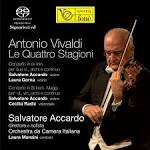 1981Le Quattro Stagioni