

Listening to Zeit by Tangerine Dream
Zeit- Album Overview
Released in 1972, "Zeit" is the third studio album by the iconic German electronic music group Tangerine Dream. This seminal work was released under the label Ohr and represents a significant evolution in the band's sound, showcasing their commitment to experimental music. The band, formed by Edgar Froese, was at the forefront of the krautrock movement, and "Zeit" exemplifies their exploration of ambient and electronic soundscapes.
"Zeit" features five lengthy tracks that are predominantly instrumental, with each piece taking the listener on a sonic journey. The album's title translates to "Time," reflecting the overarching theme of the music, which often feels ethereal and timeless. Notable tracks include "Birth of Liquid Plejades," "Nebulous Dawn," and "Circulation," each characterized by slow, evolving textures and minimalistic structures that invite introspection.
The production of "Zeit" was marked by the use of synthesizers and organ, along with traditional instruments like guitar and flute, creating a rich tapestry of sound. Collaborators on the album included Klaus Schulze, who would later become a prominent figure in the electronic music scene. This album is particularly significant as it laid the groundwork for future ambient music and influenced countless artists across genres.
Review
"Zeit" is an audacious exploration of sound that challenges conventional music norms. The album is devoid of traditional song structures and lyrics, inviting listeners to immerse themselves in its atmospheric qualities. The use of drones and elongated soundscapes creates a meditative experience that can be both haunting and transcendent. Each track unfolds slowly, allowing listeners to lose themselves in the ethereal layers of sound. Edgar Froese's visionary approach to composition is evident throughout, as he seamlessly blends various electronic textures and acoustic sounds.
The album's production is strikingly ahead of its time, showcasing the innovative use of synthesizers that would later define the genre. Unlike many of their contemporaries, Tangerine Dream did not rely on rhythm or melody in a conventional sense; instead, they created an abstract auditory experience that evokes a sense of time and space. "Zeit" stands as a testament to the band's artistic vision, pushing the boundaries of what music could be in the early 1970s.
Highlights
- Innovative use of synthesizers and soundscapes.
- Timeless and atmospheric compositions that invite deep listening.
- Significant influence on the development of ambient and electronic music.
Weak points
- Lack of traditional structure may not appeal to all listeners.
- Lengthy tracks may require patience and concentration.
- Limited commercial accessibility and recognition at the time of release.
Overall evaluation
"Zeit" is a landmark album that showcases Tangerine Dream's pioneering spirit and ability to create immersive soundscapes. While it may not cater to mainstream tastes, its artistic merit and influence remain undeniable. This album is essential for anyone interested in the evolution of electronic music.
Personal rating: 9/10 2022Raum
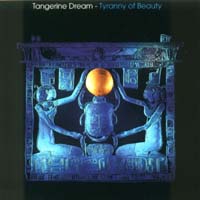 1995Tyranny of Beauty
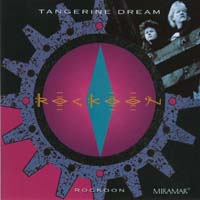 1992Rockoon
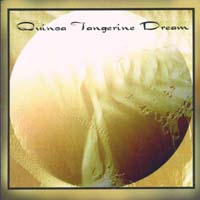 1992Quinoa
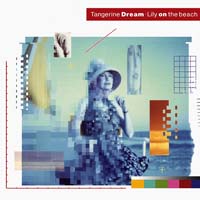 1989Lily on the Beach
 1987Tyger
 1986Underwater Sunlight
 1986Green Desert
 1985Le Parc
 1982White Eagle
 1981Exit
 1980Tangram
 1979Force Majeure
 1978Cyclone
 1976Stratosfear
 1975Rubycon
 1974Phaedra
 1973Atem
 1971Alpha Centauri
 1970Electronic Meditation